Achieving consensus in networks with disturbances
The convergence of binary majority consensus algorithms is studied in networks with different types of disturbances. It is shown how randomization can foster convergence.
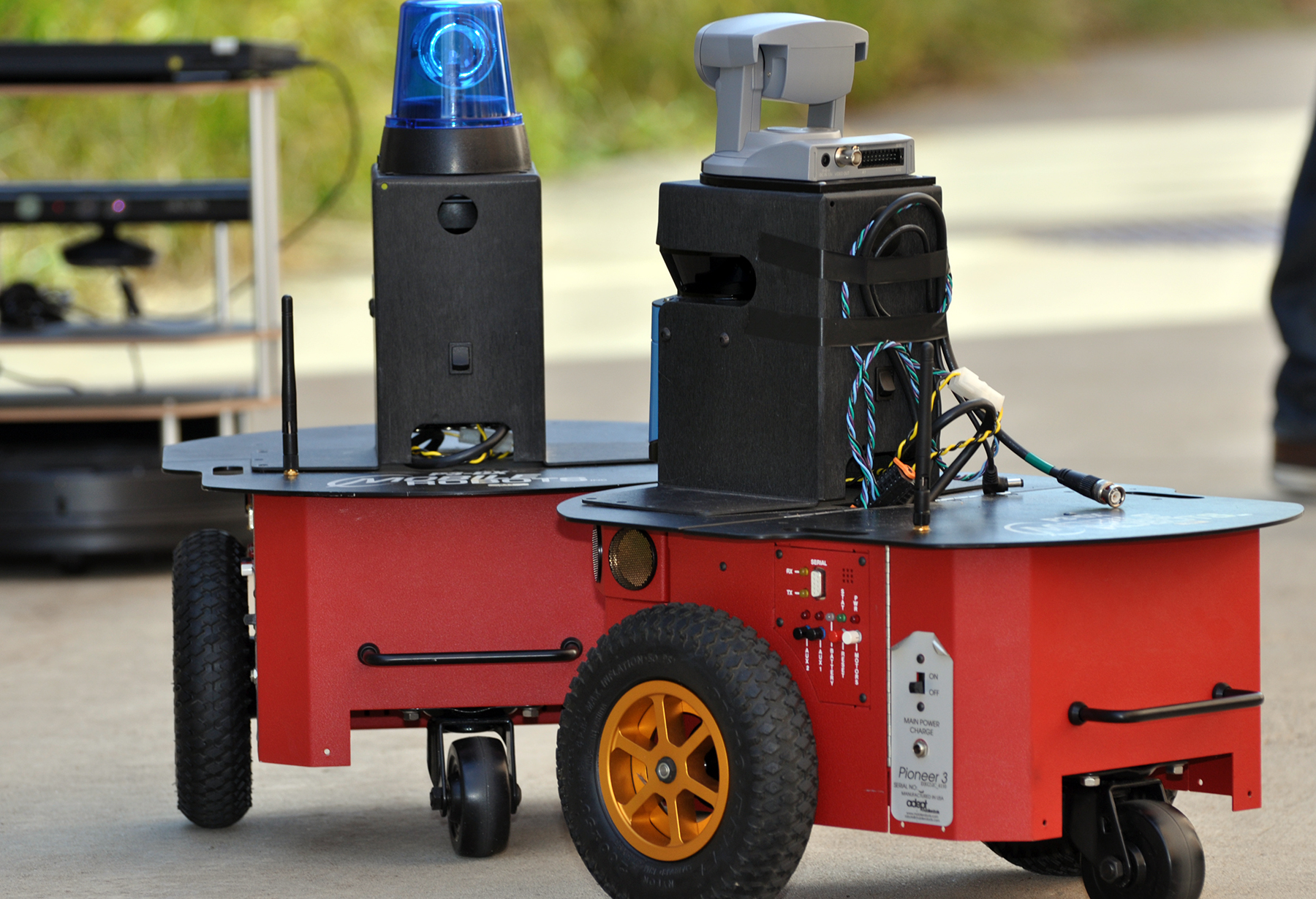
New packages for the Robot Operating System (ROS) are available for autonomous exploration of unknown environments using collaborating mobile robots equipped with cameras. The software offers wireless ad hoc communications between robots, merging of maps from different robots, and coordinated selection of exploration frontiers. A prototype with four robots was built that demonstrates its functionality in an indoor environment.
Wireless networks are often modeled using tools from stochastic geometry. A team of researchers from Klagenfurt, Athens, and Notre Dame now contributed to these tools by solving general sum-product functionals for Poisson point processes. Link outage probabilities are derived for networks with interference and Nakagami fading.
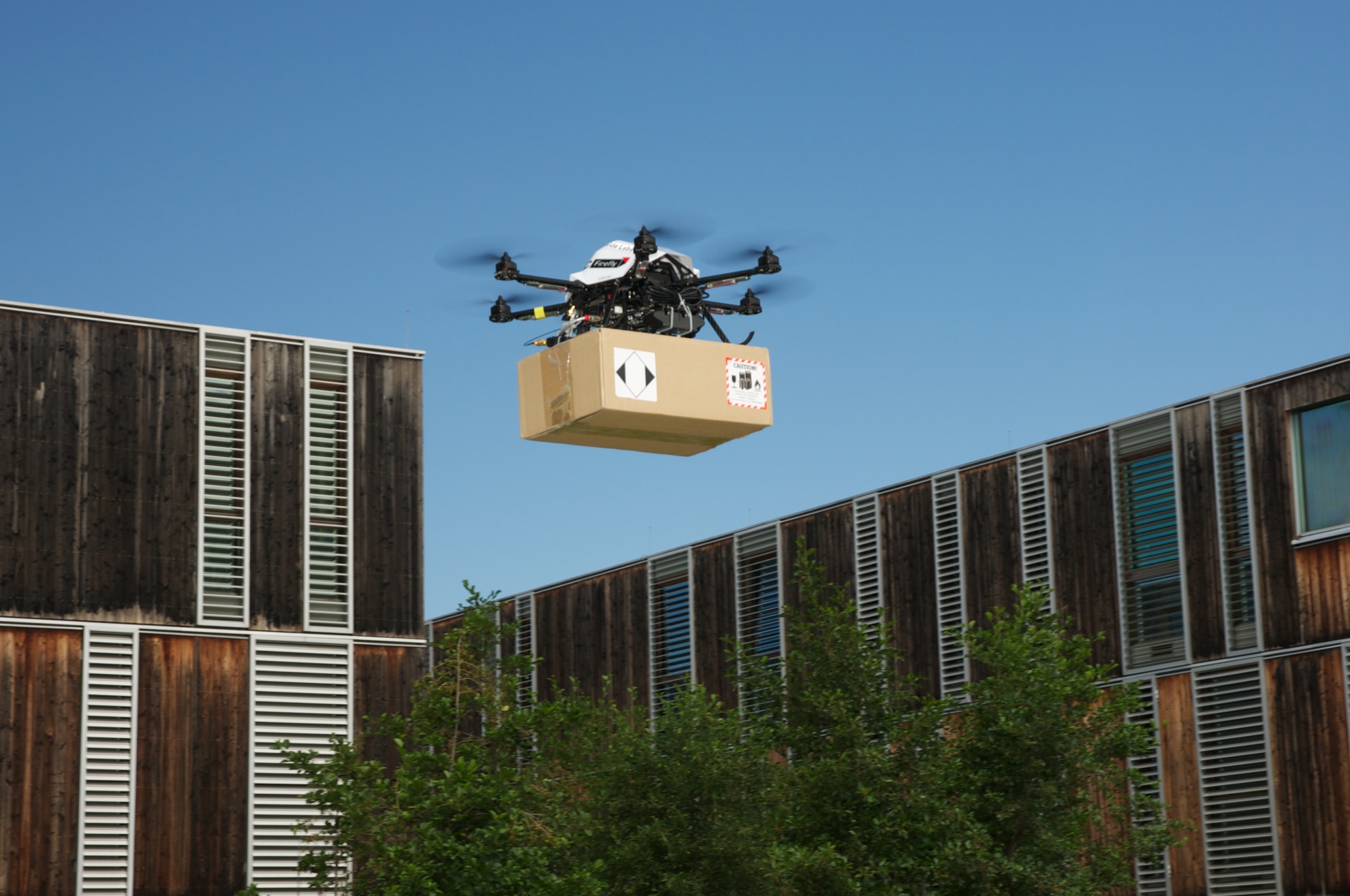
Aerial delivery services using small unmanned aerial vehicles (UAVs) have been proposed by major online retailers, logistics companies, and startups. An interdisciplinary project team at the University of Klagenfurt aims at contributing to the architectural setup and decentralized control of such future systems.
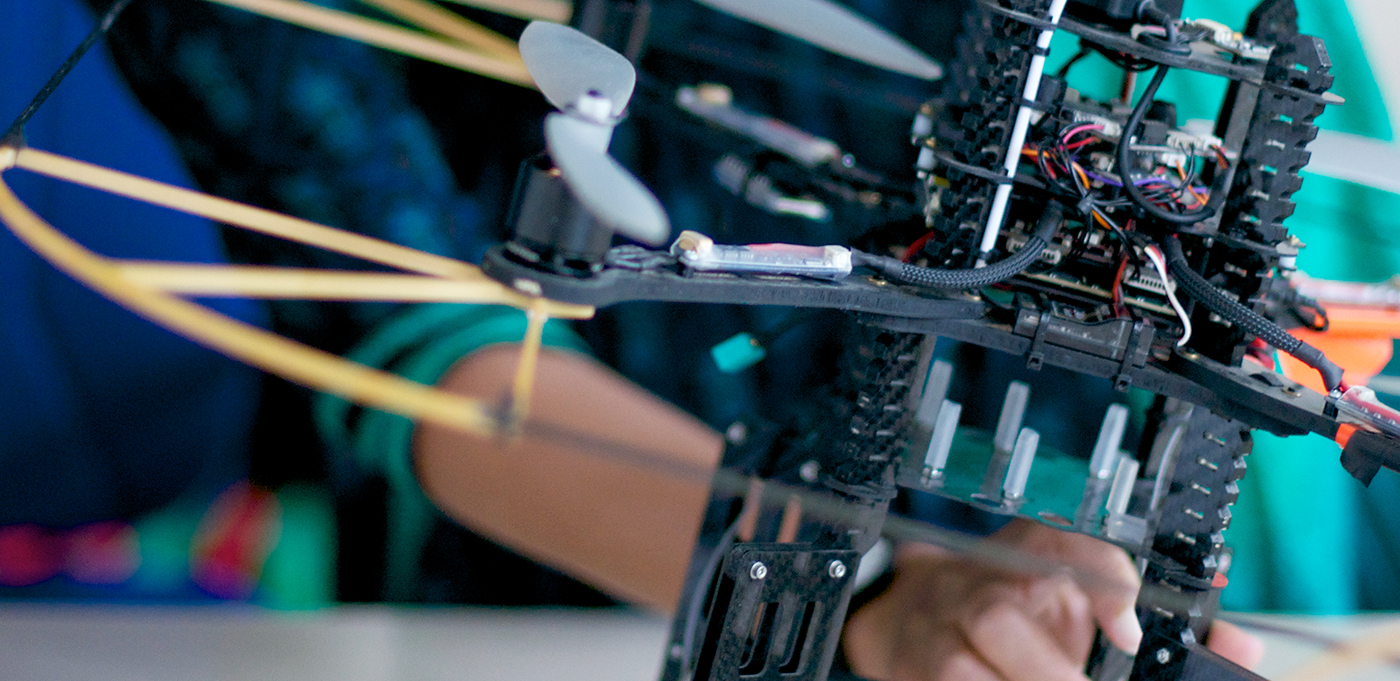
A new article published in the IEEE Communications Magazine discusses some aspects of wireless communications for different applications involving small drones.
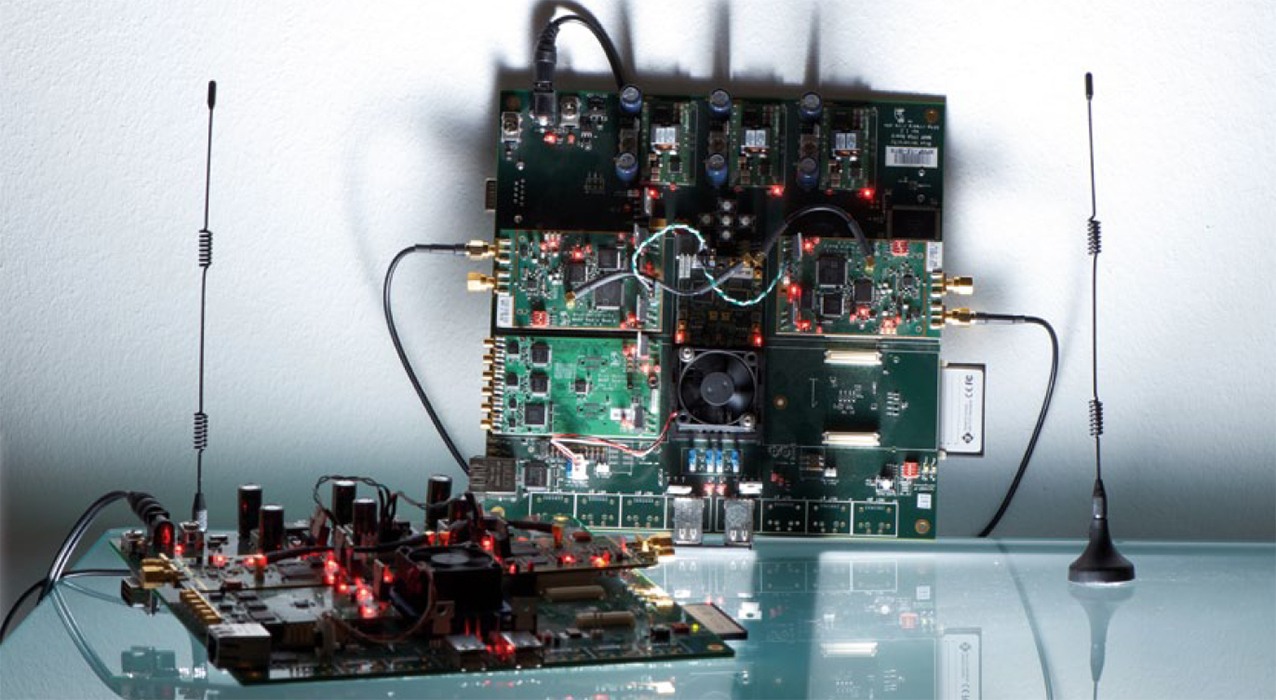
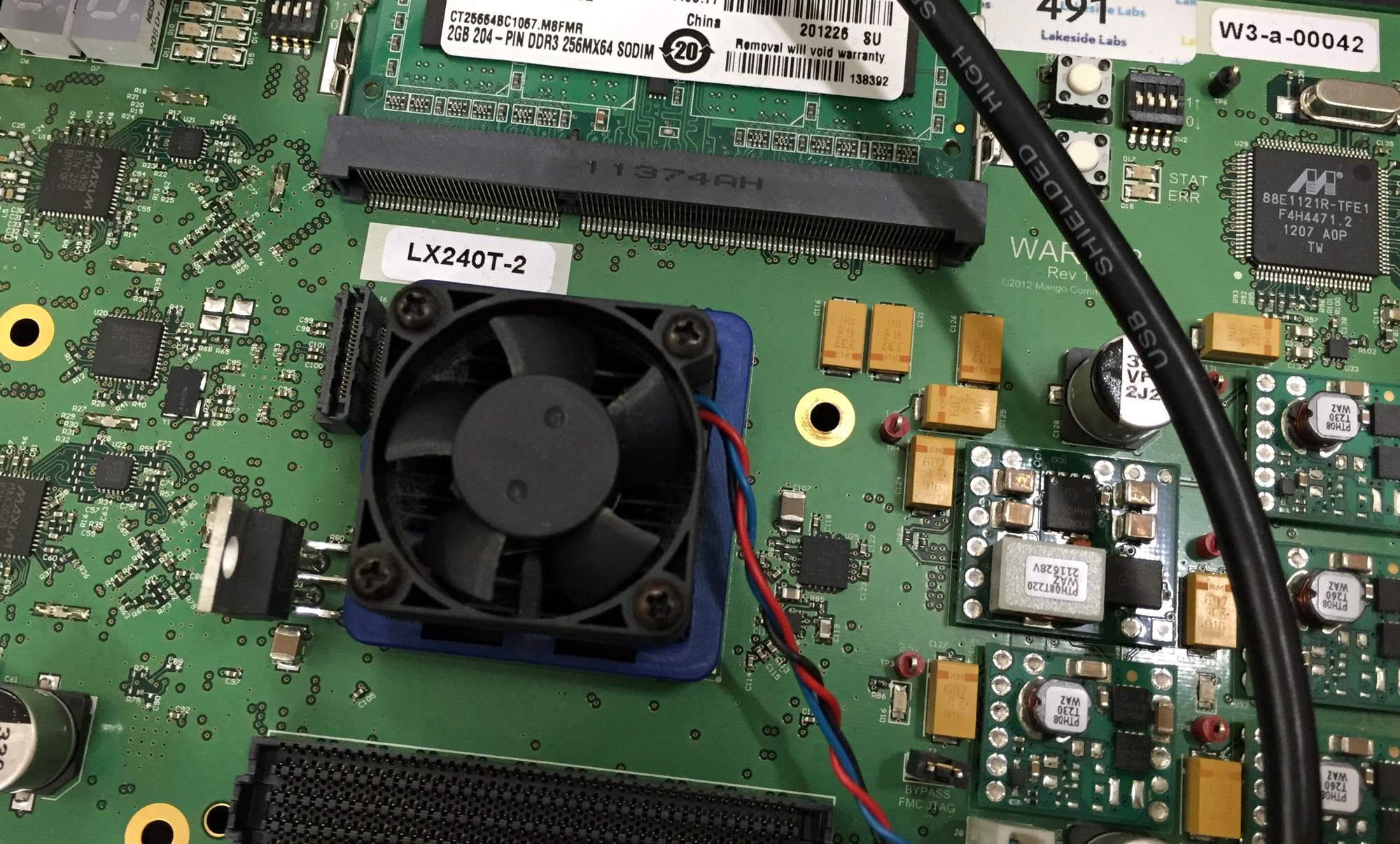
The precision of synchronization algorithms based on the theory of pulse-coupled oscillators is evaluated on FPGA-based radios for the first time. Measurements show that such algorithms can reach precision in the low microsecond range when being implemented in the physical layer.
We analyze a wireless communication system with multiple relays operating in an interference-limited setting. Analytical results derived for different interferer placement show that the temporal and spatial characteristics of the interference have significant impact on the system performance.
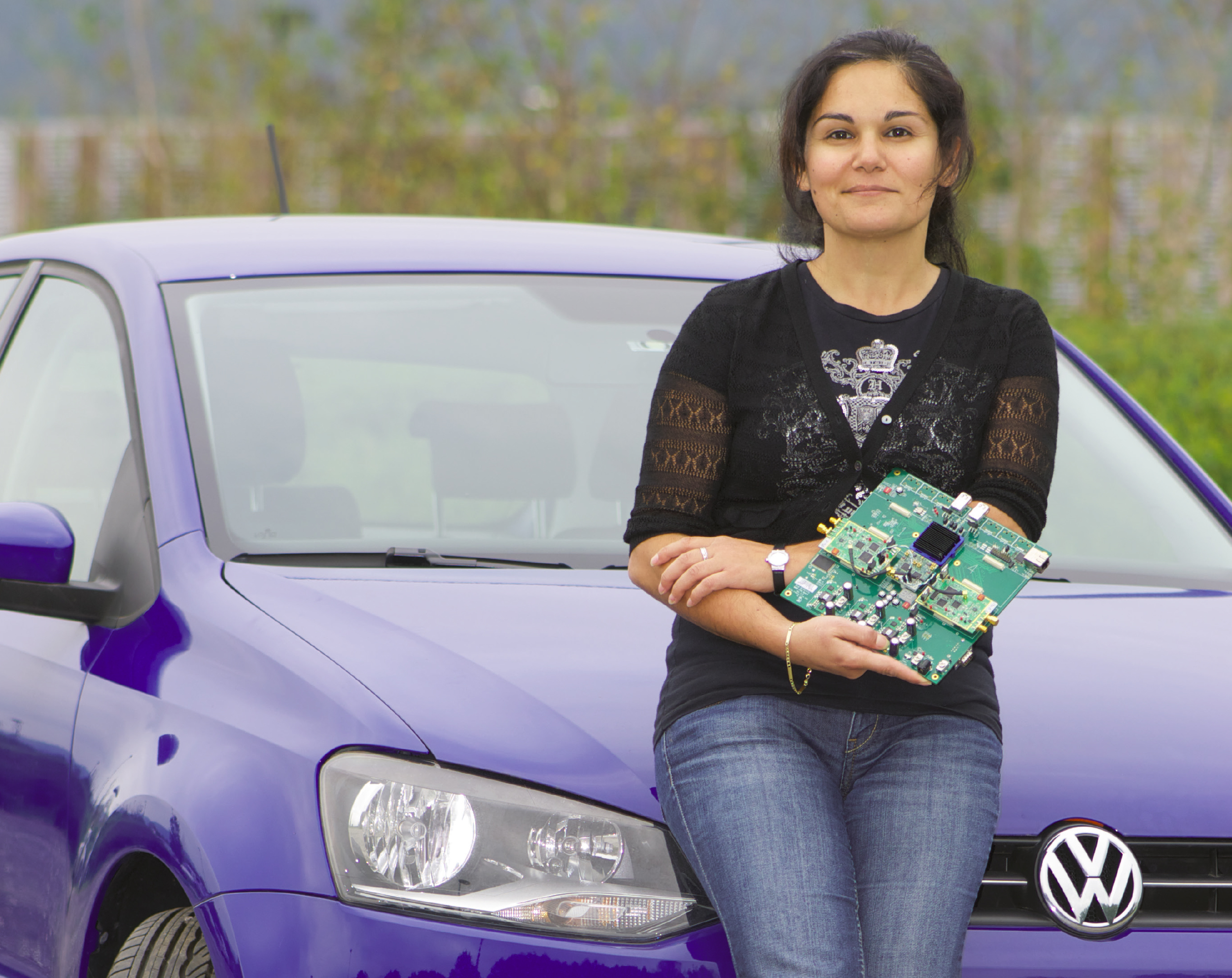
A protocol for the selection of relay devices operating in the data link layer of wireless networks was proposed, specified, and evaluated. It is now being tested in a vehicular environment.
Different communication protocols for relay selection in wireless networks have been modeled using Markov chains in order to analyze and compare their performance.
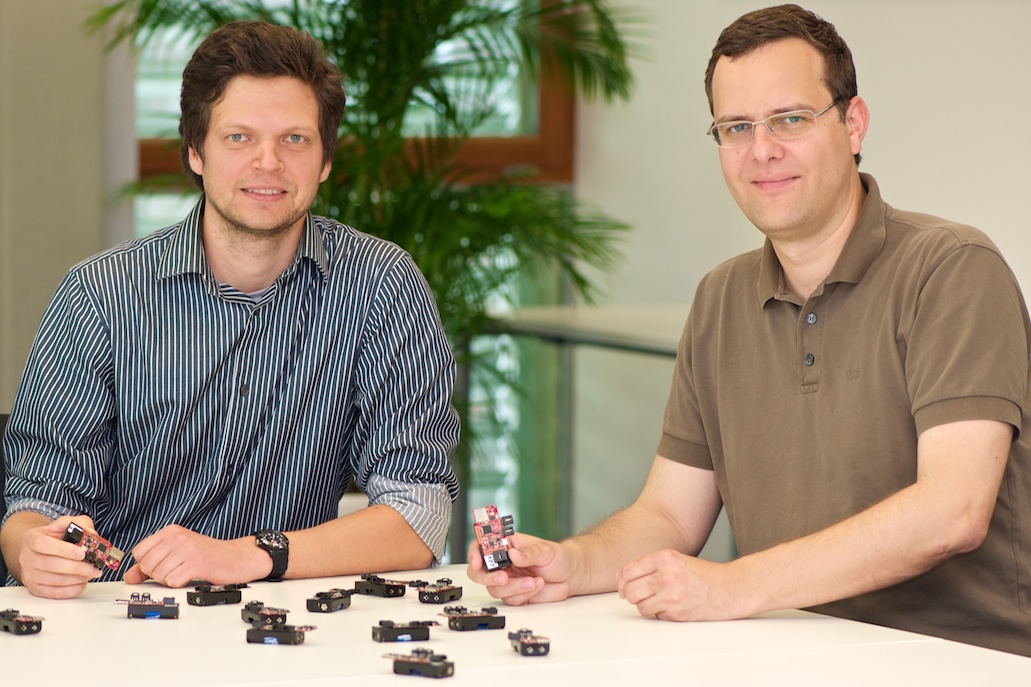
We mathematically analyze how time synchronization can be guaranteed in arbitrary network topologies and show that the stochastic nature of interactions between network entities can lead to advantageous properties.