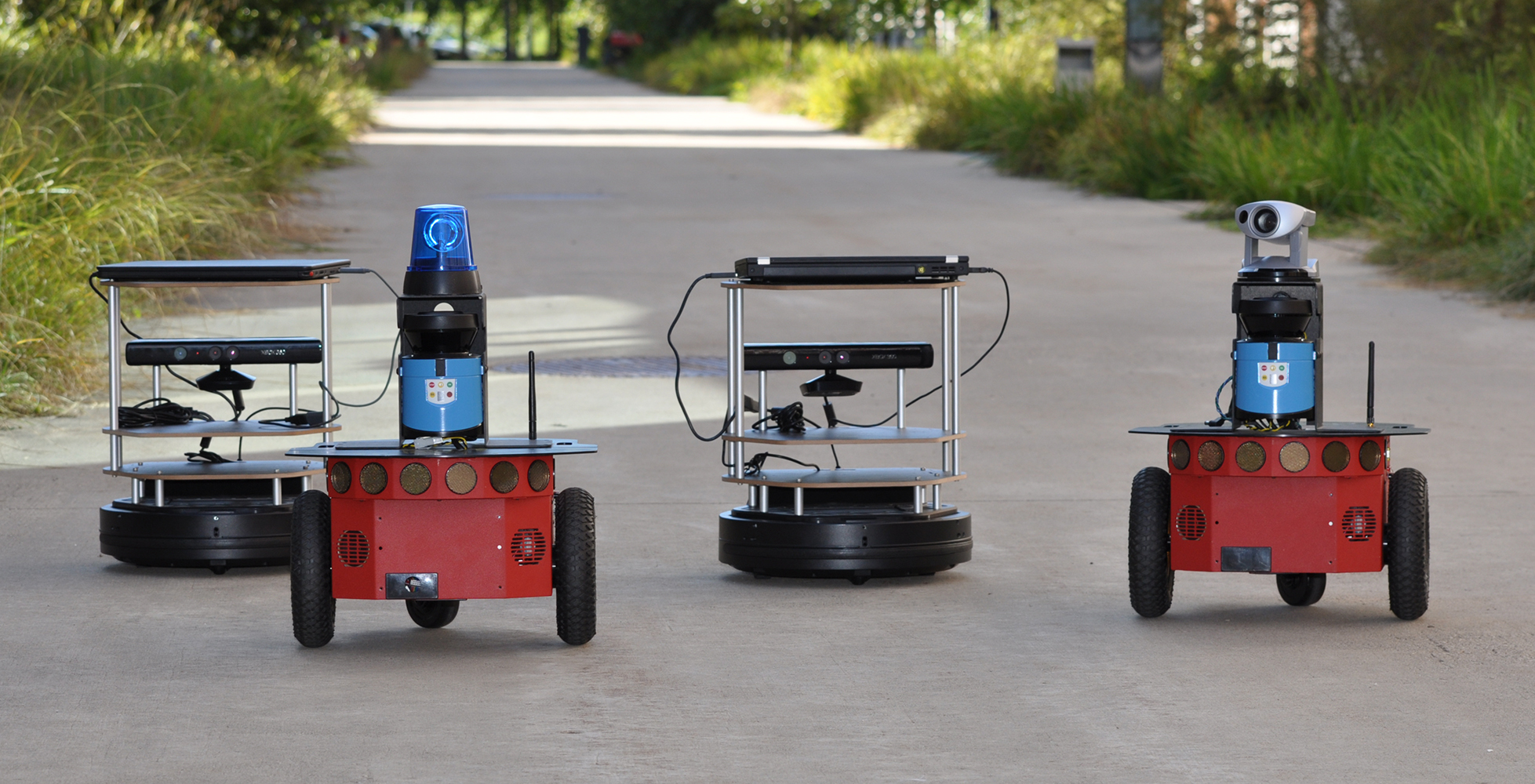
Coordinated recharging of mobile robots during exploration
Mobile robots in explorer missions need to charge their batteries from time to time. Different policies for coordinated recharging in teams of robots are evaluated.
Mobile robots in explorer missions need to charge their batteries from time to time. Different policies for coordinated recharging in teams of robots are evaluated.
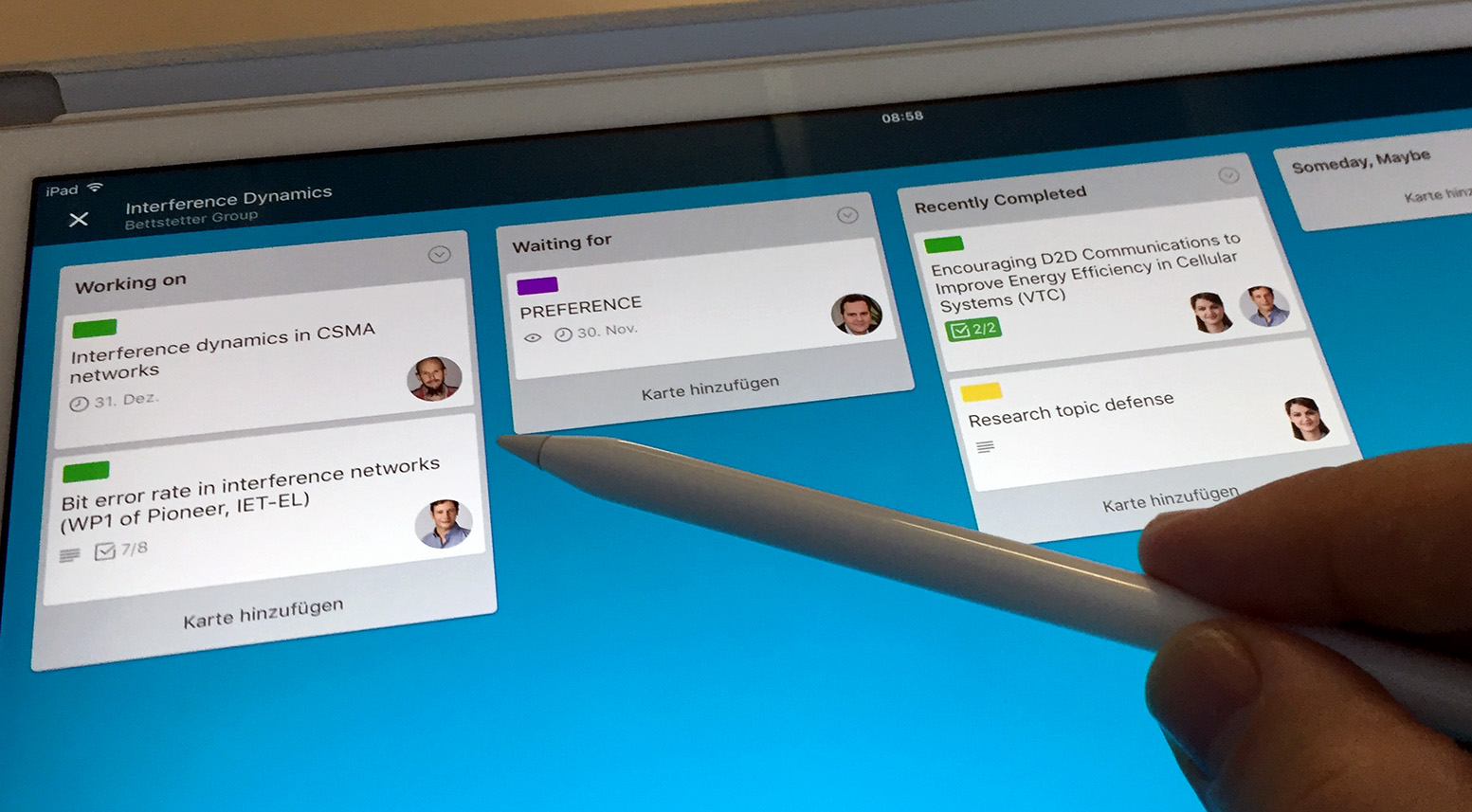
Trello is a software tool to manage projects and workflows using Kanban boards. It can greatly support scientists. A primer.

Samira Hayat from my team told her personal story at this year’s TED event at CERN and reported on our research activities in the field of multi-drone systems.
Mathematical expressions for bit error rates in a wireless system are derived and provide insight into interference control.
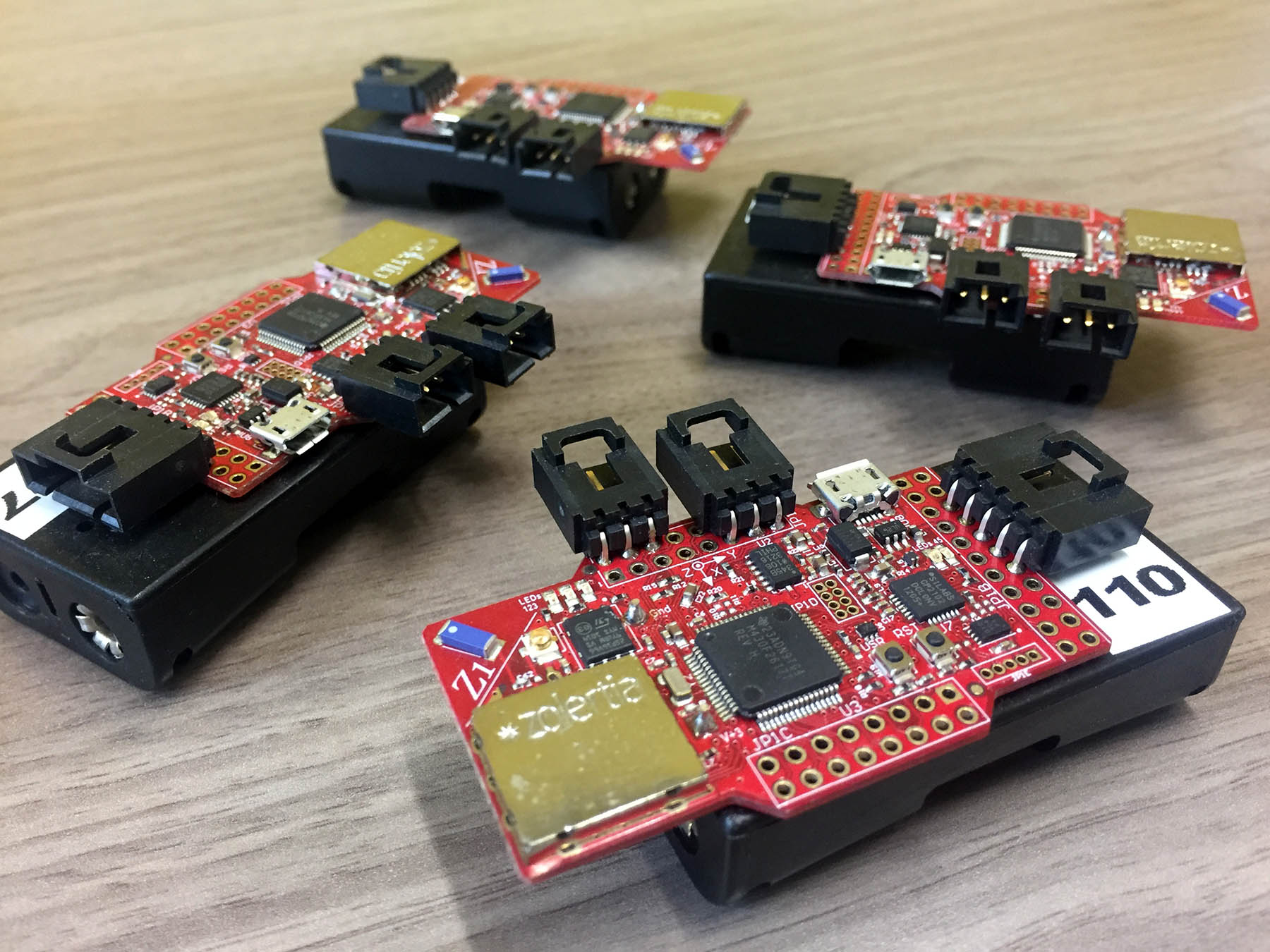
A time synchronization technique for networked devices with low-precision oscillators and low computational power is proposed and evaluated by experiments.
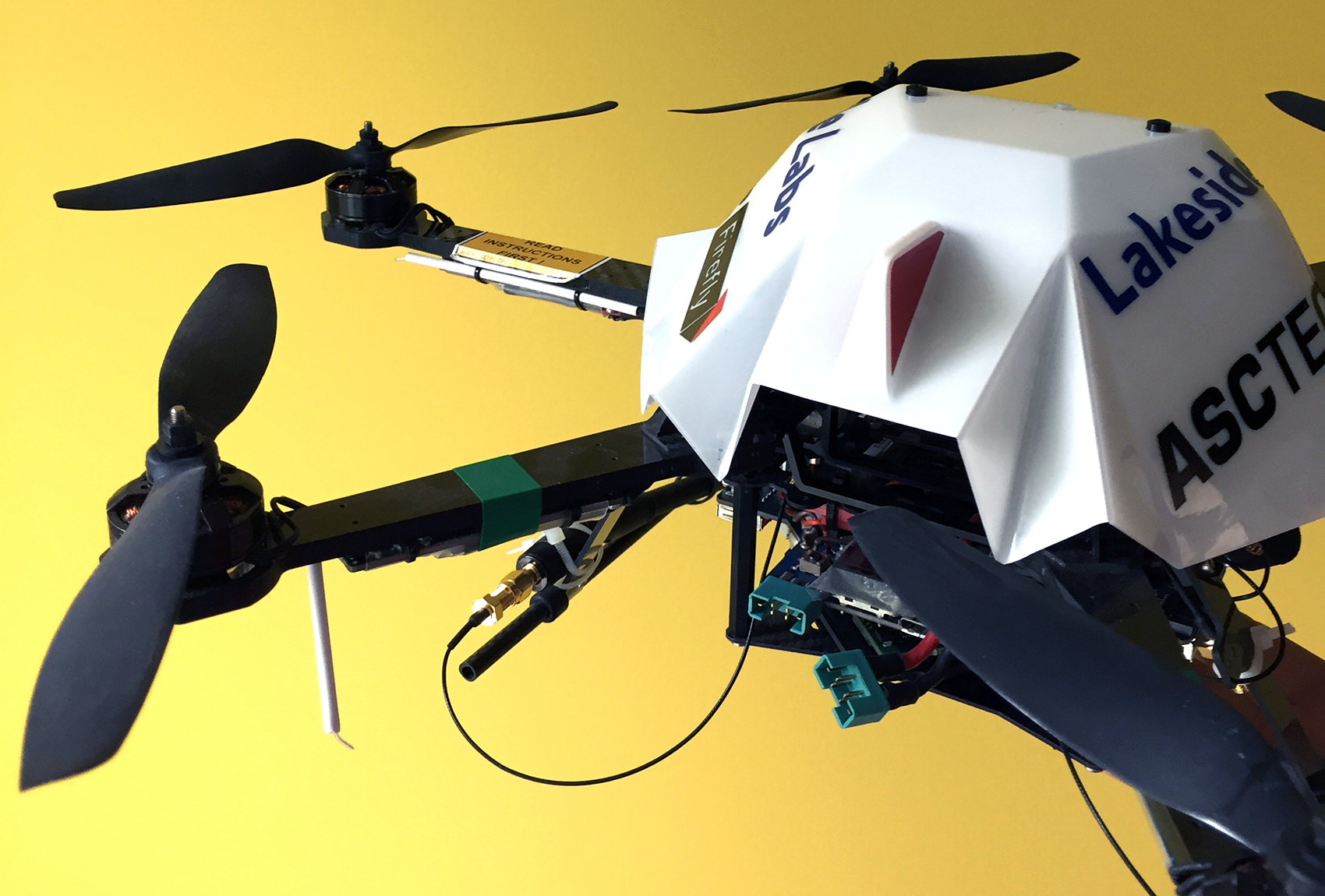
A newly published survey gives an overview of the characteristics and requirements of drone networks from the viewpoint of wireless communications and networking.
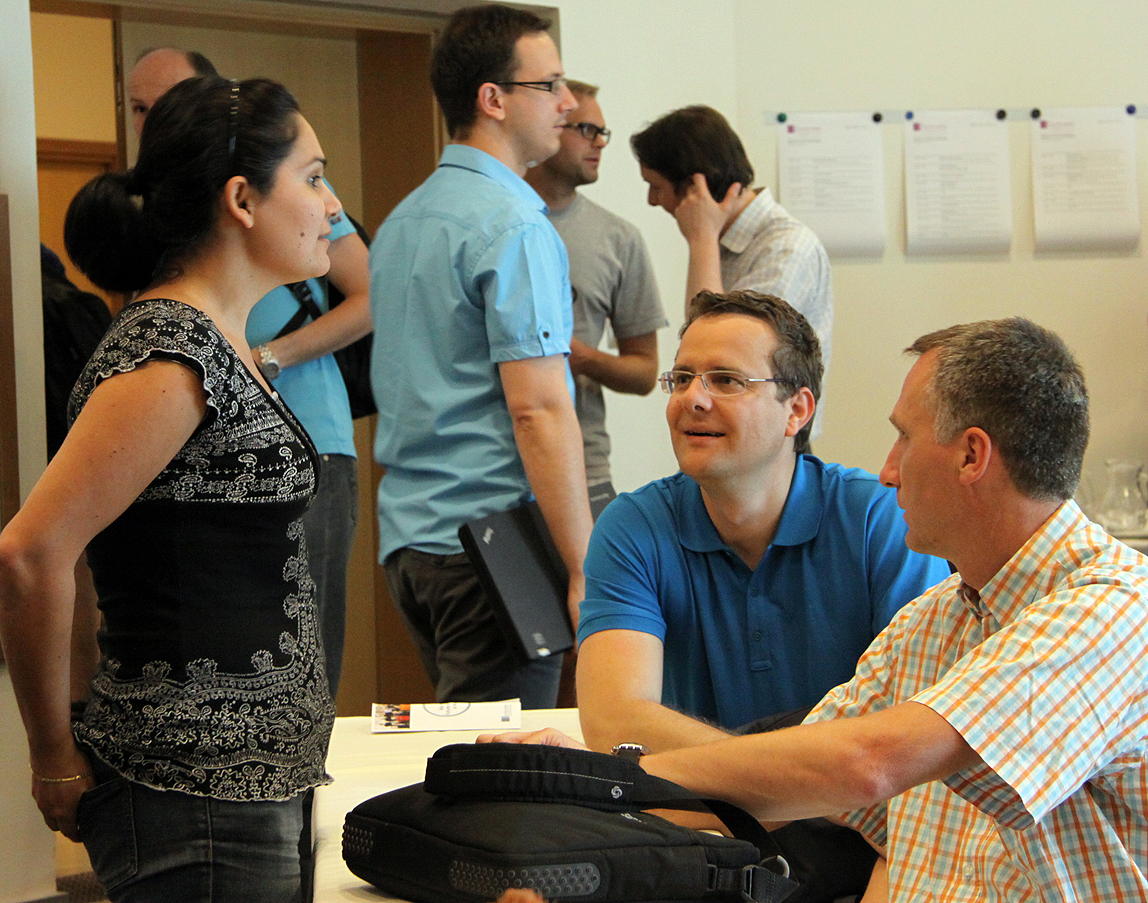
For many young researchers, the PhD graduation marks the end of an era of standardized salaries. They now have to negotiate their salary when entering the industry or moving to a non-university research organization. Below are some tips on how to approach these negotiations. An Austrian-German perspective.
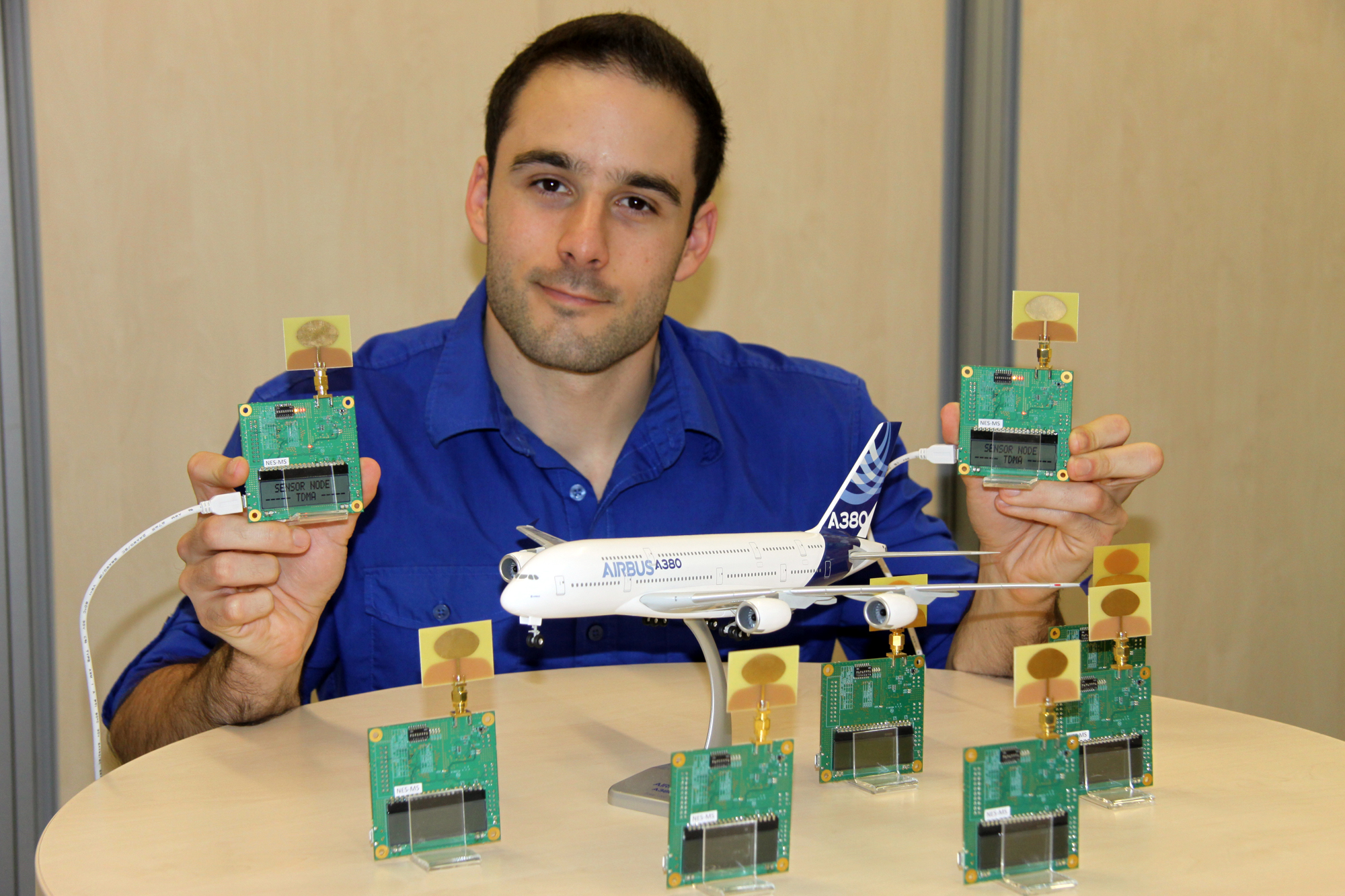
The airplane industry is interested in replacing heavy cables in aircraft by wireless connectivity. We are currently investigating the potential and feasibility of ultra-wideband (UWB) technology as an option for such systems.

Read about my first computer and programming experience, share your own experience, and join the discussion about the best-suited tools for our kids to do first steps in programming.
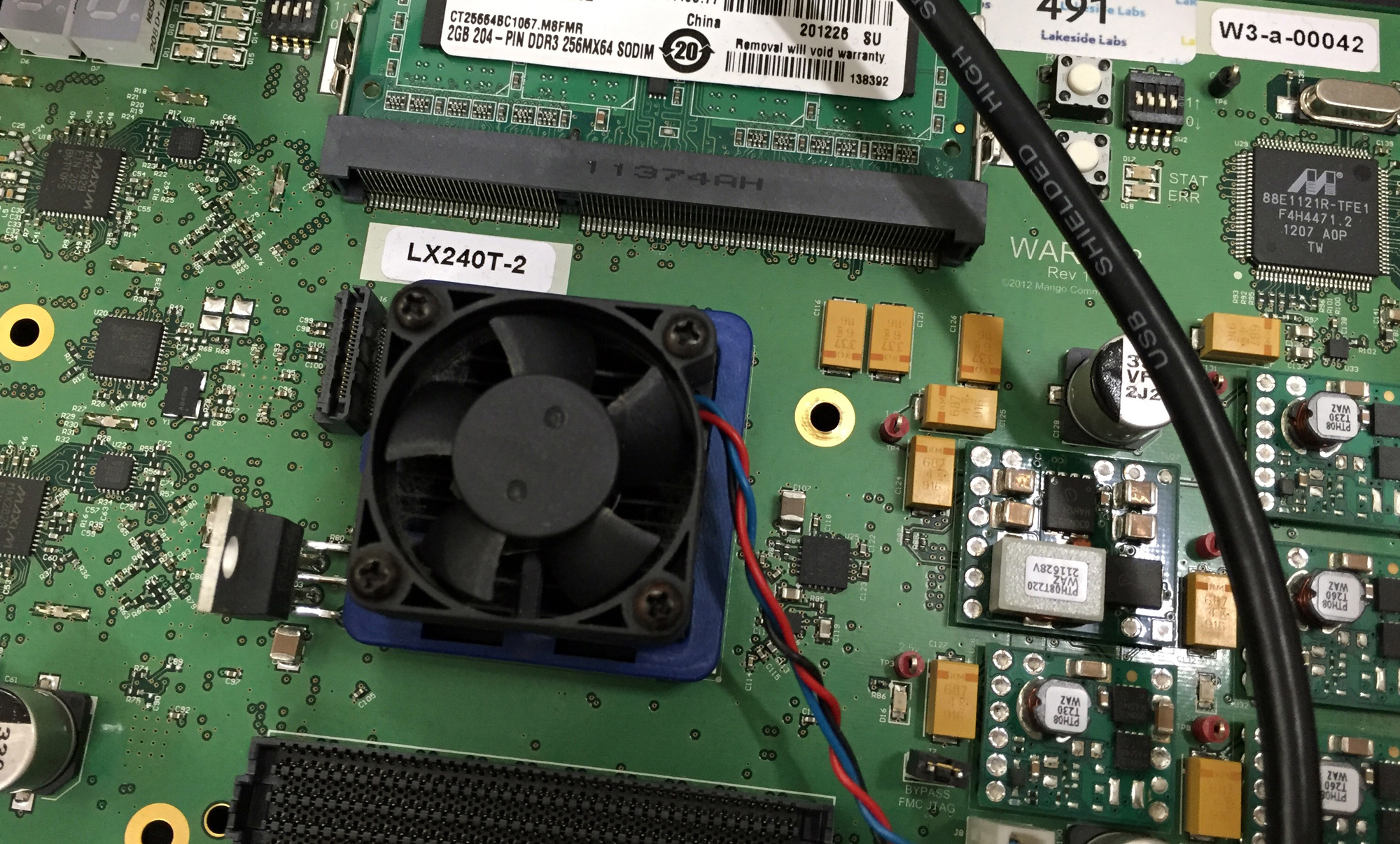
Synchronization algorithms based on the theory of pulse-coupled oscillators are evaluated on programmable radios. It is experimentally demonstrated that the stochastic nature of coupling is a key ingredient for convergence to synchrony. We propose a distributed algorithm for automatic phase rate equalization and show that synchronization precisions below one microsecond are possible.