
Drone height estimation from 5G signals
A drone’s flight height can be estimated from radio signals of base stations. Simulations yield an accuracy of about two meters. Ongoing flight experiments aim to validate the technique in real 5G networks.
A drone’s flight height can be estimated from radio signals of base stations. Simulations yield an accuracy of about two meters. Ongoing flight experiments aim to validate the technique in real 5G networks.
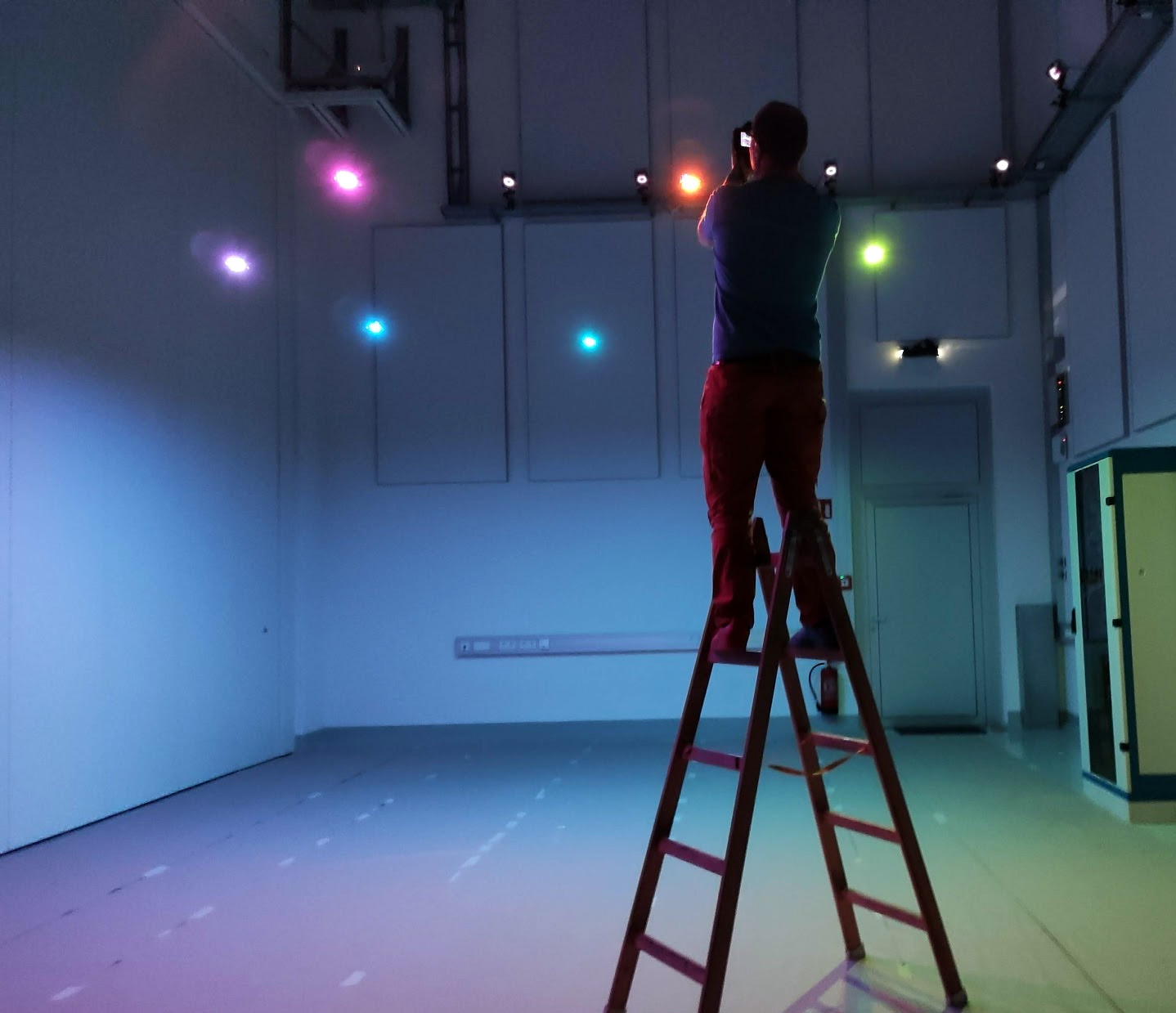
Scientists of the doctoral school “Networked Autonomous Aerial Vehicles” implemented a self-adaptive swarm of drones and showcased it in Klagenfurt’s new drone hall, one of the largest and most modern facilities of its kind.
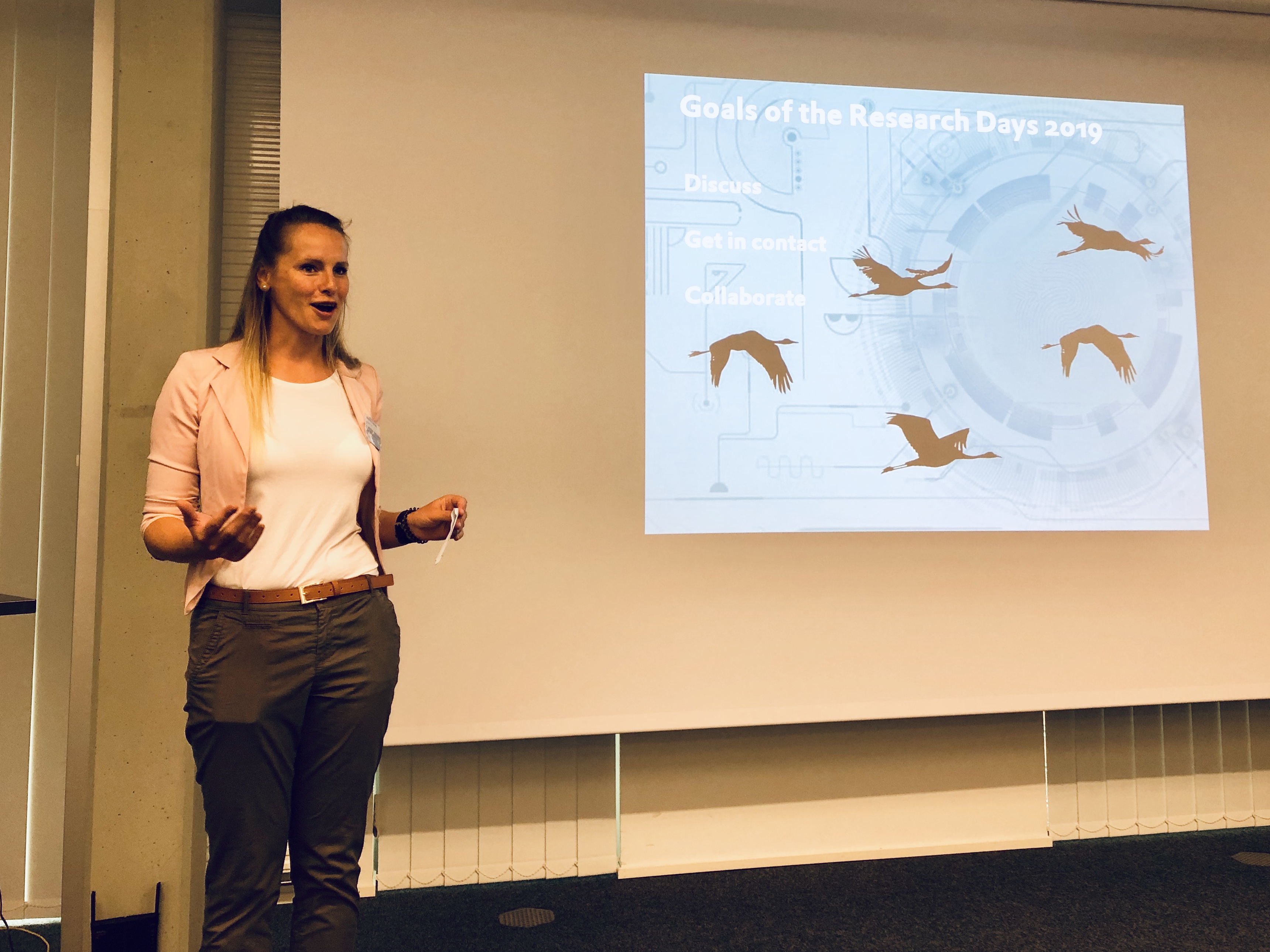
A workshop about communication in swarms took place in Klagenfurt in mid-July. Invited speakers and other experts discussed questions at the interface of robotics, distributed systems, and communication technology.
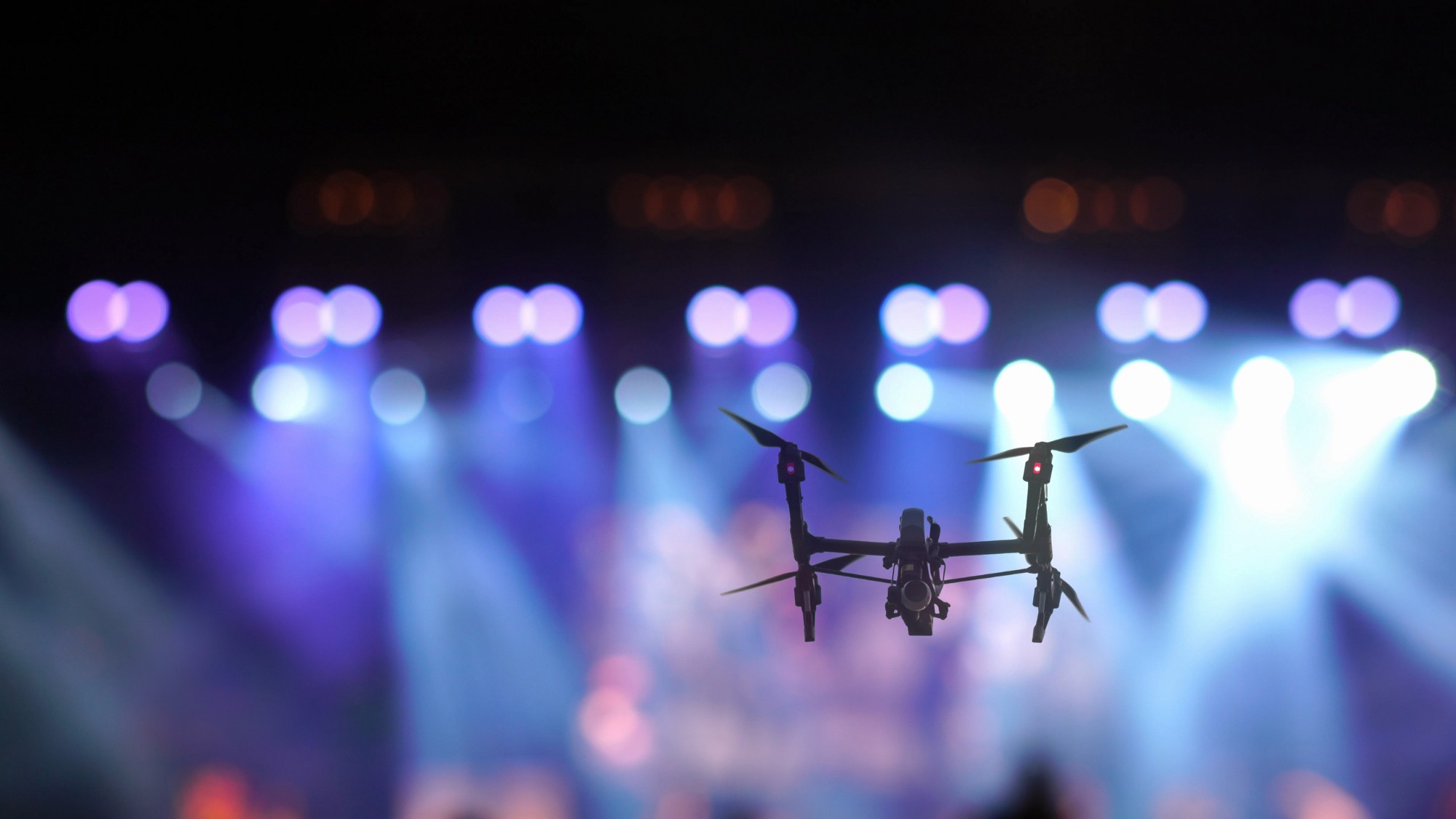
This statement was the title of a TIME article, which was included in the magazine’s special report on “The Drone Age”. We asked Christian Bettstetter to tell us what today’s drones can do and what drone (swarms) are not yet capable of. One thing is certain: Our airspace is going to be much busier in the future.
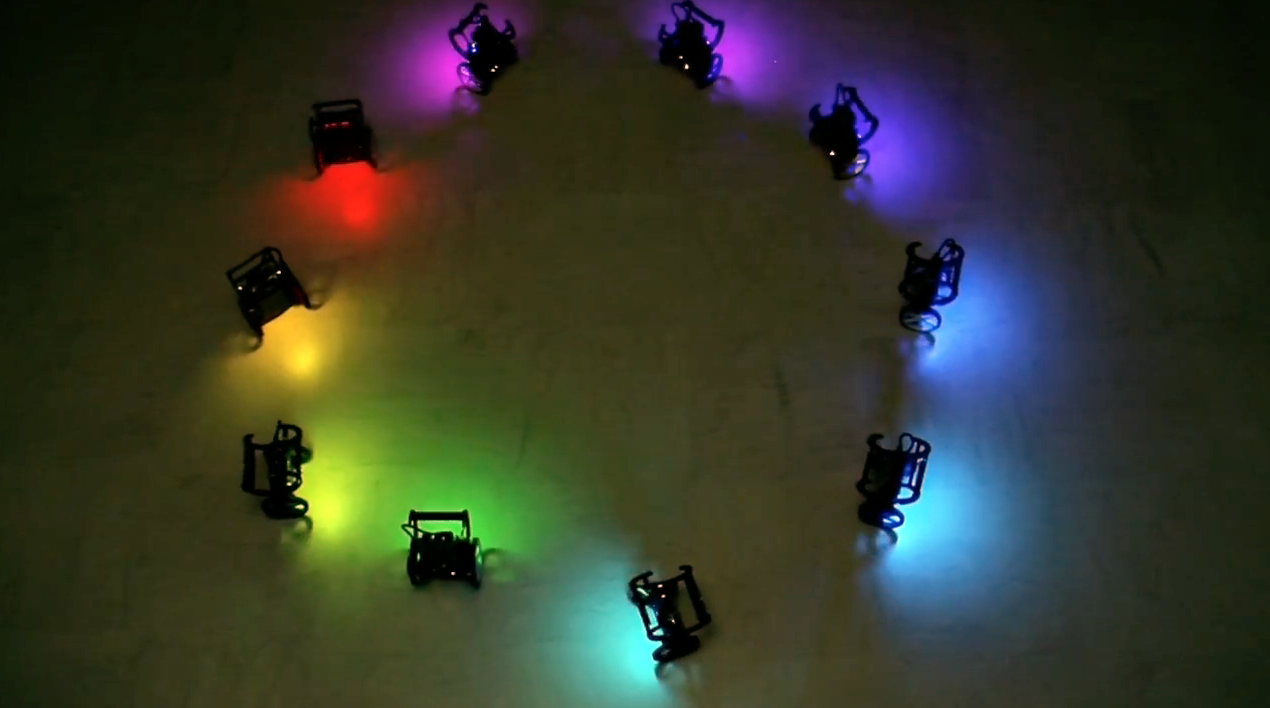
The swarmalator model for systems in which synchronization and swarming are coupled is implemented and studied for the first time in a technical system.
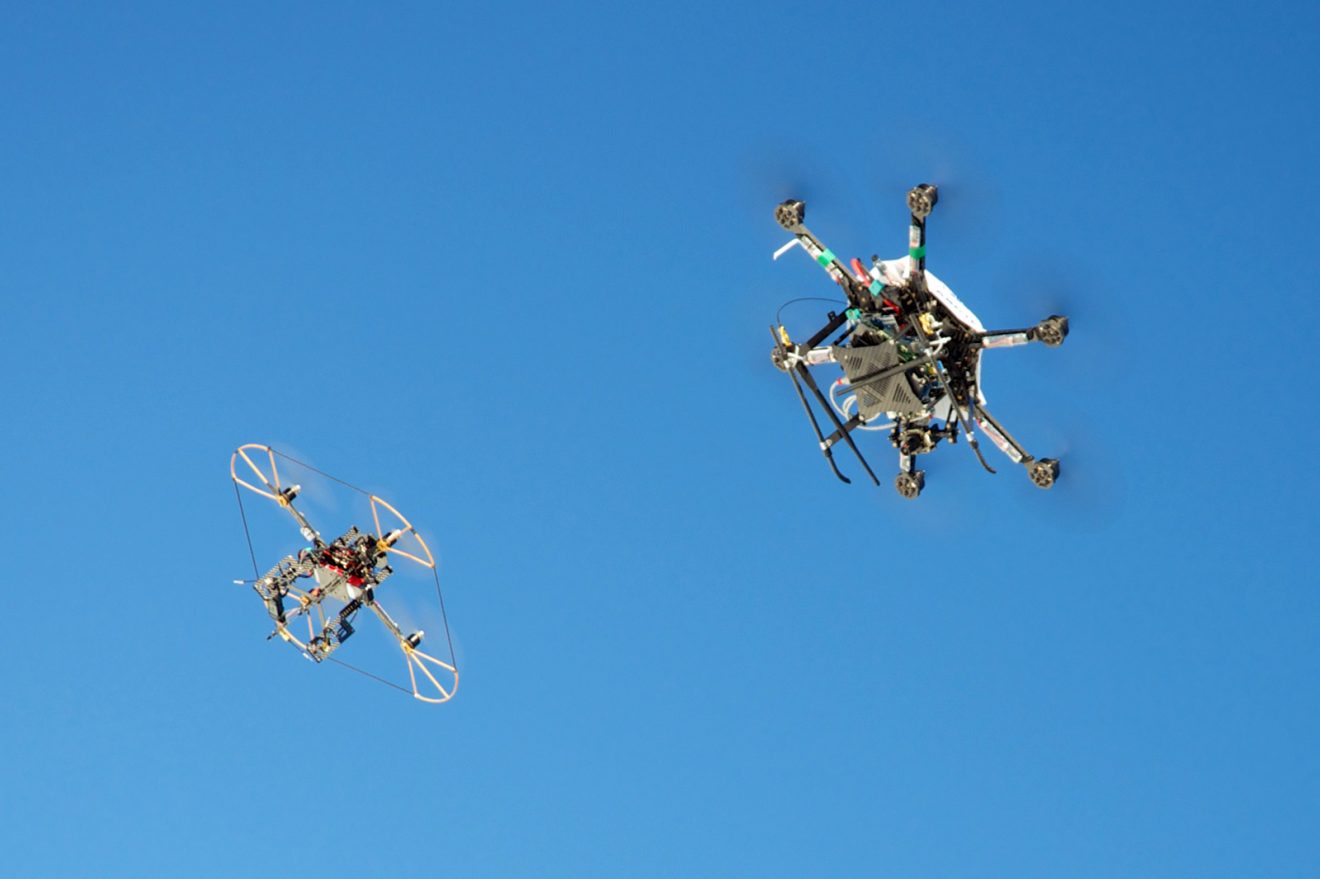
An interdisciplinary workshop on self-organization and swarm intelligence in cyber physical systems was held at Lakeside Labs this week. Experts presented their work and discussed open issues in this exciting field.
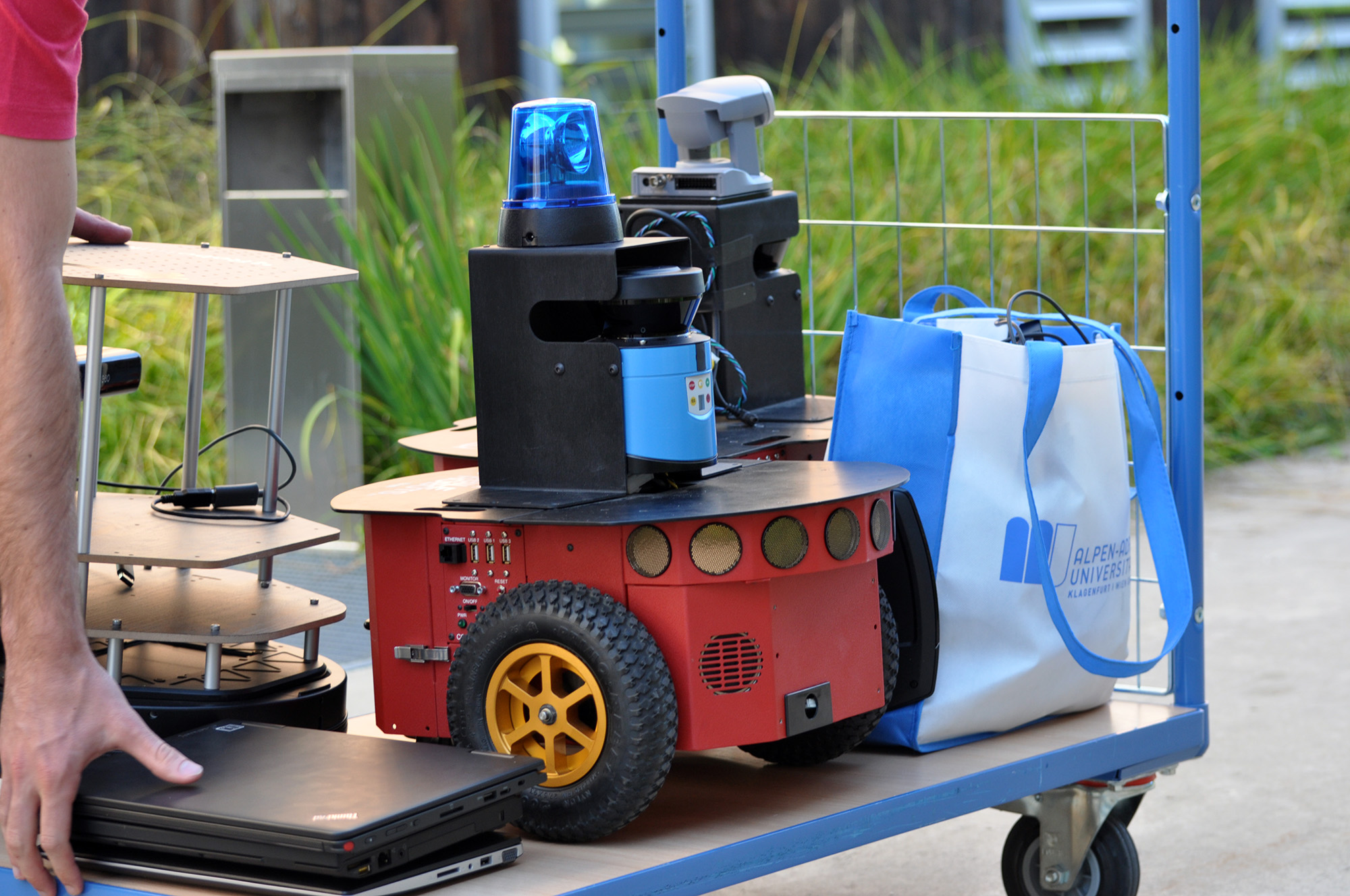
An analysis of robotics conferences of the past four years shows that Austria has relatively low visibility. It also shows that expertise is distributed among a handful of universities.
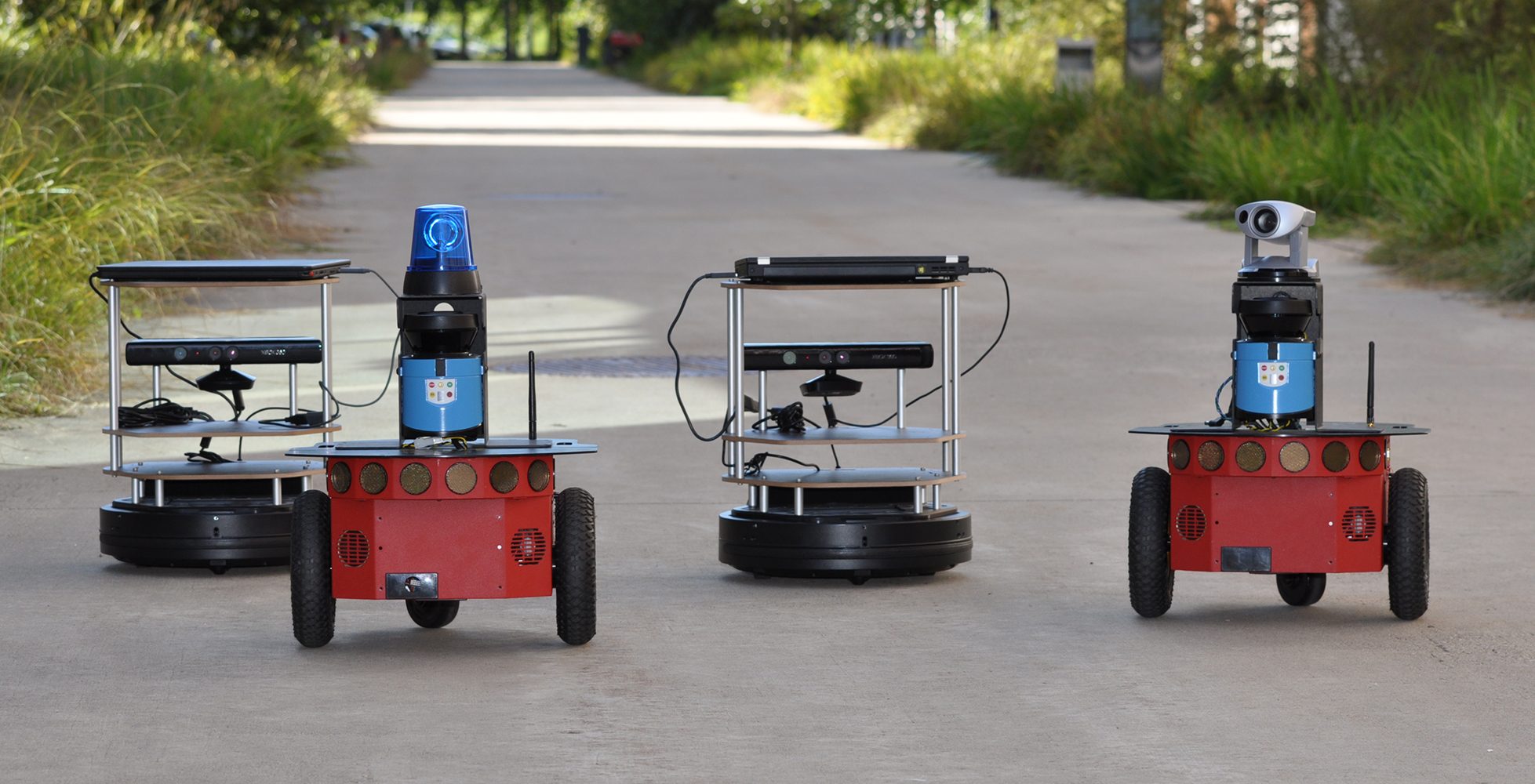
Mobile robots in explorer missions need to charge their batteries from time to time. Different policies for coordinated recharging in teams of robots are evaluated.
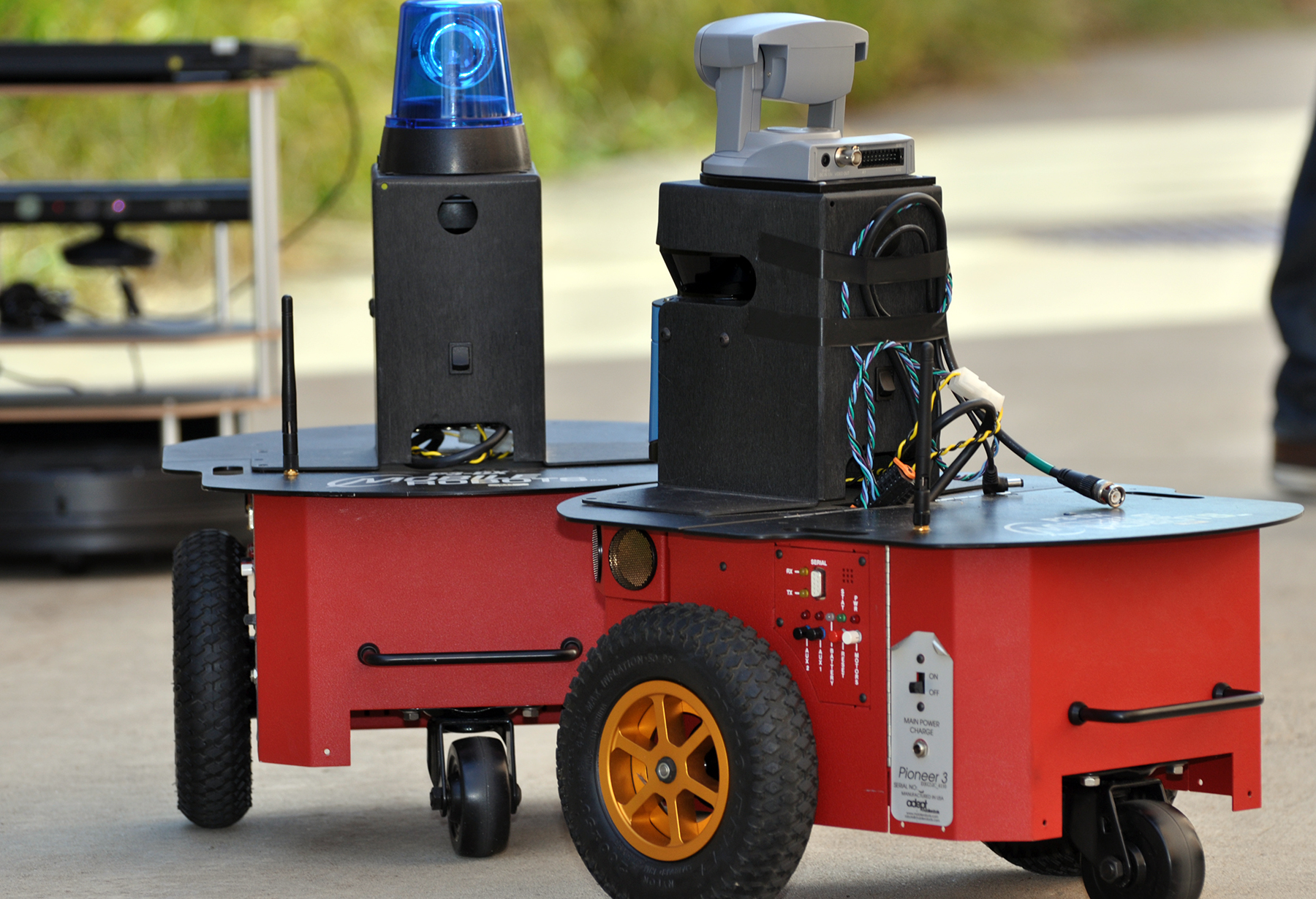
New packages for the Robot Operating System (ROS) are available for autonomous exploration of unknown environments using collaborating mobile robots equipped with cameras. The software offers wireless ad hoc communications between robots, merging of maps from different robots, and coordinated selection of exploration frontiers. A prototype with four robots was built that demonstrates its functionality in an indoor environment.