The University of Klagenfurt launches a two-year master program in Information and Communications Engineering (ICE). The program is taught entirely in English and is recommended for students with an undergraduate degree in electrical or computer engineering.
Latest Posts
Achieving consensus in networks with disturbances
The convergence of binary majority consensus algorithms is studied in networks with different types of disturbances. It is shown how randomization can foster convergence.
Software for scientists using Mac, iPad
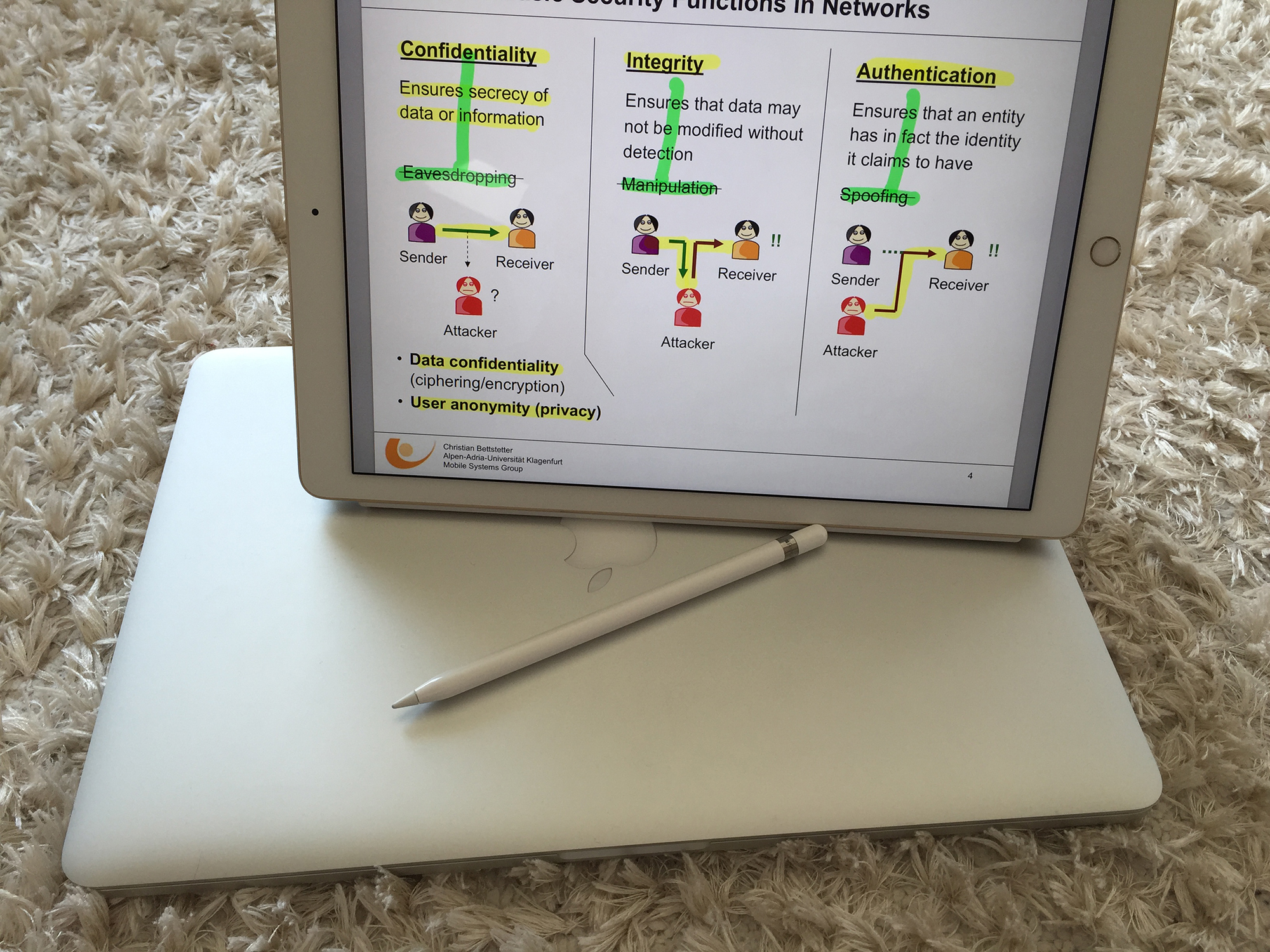
My personal experience as a professor with some software tools for the Apple Mac (OS X) and iPad (iOS) that can be useful in research and teaching. By no means a comprehensive list.
WIRED: Samira Hayat about drones
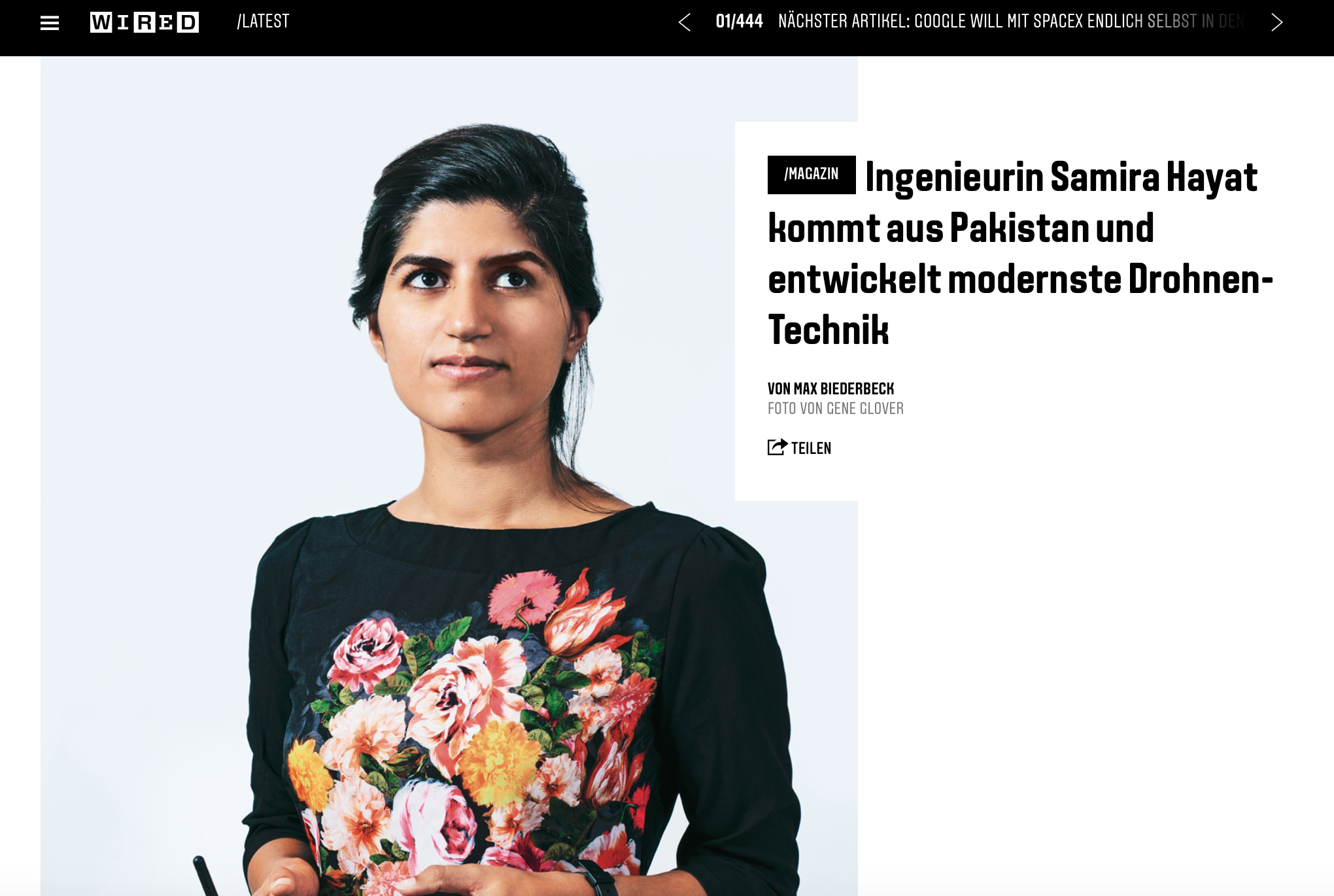
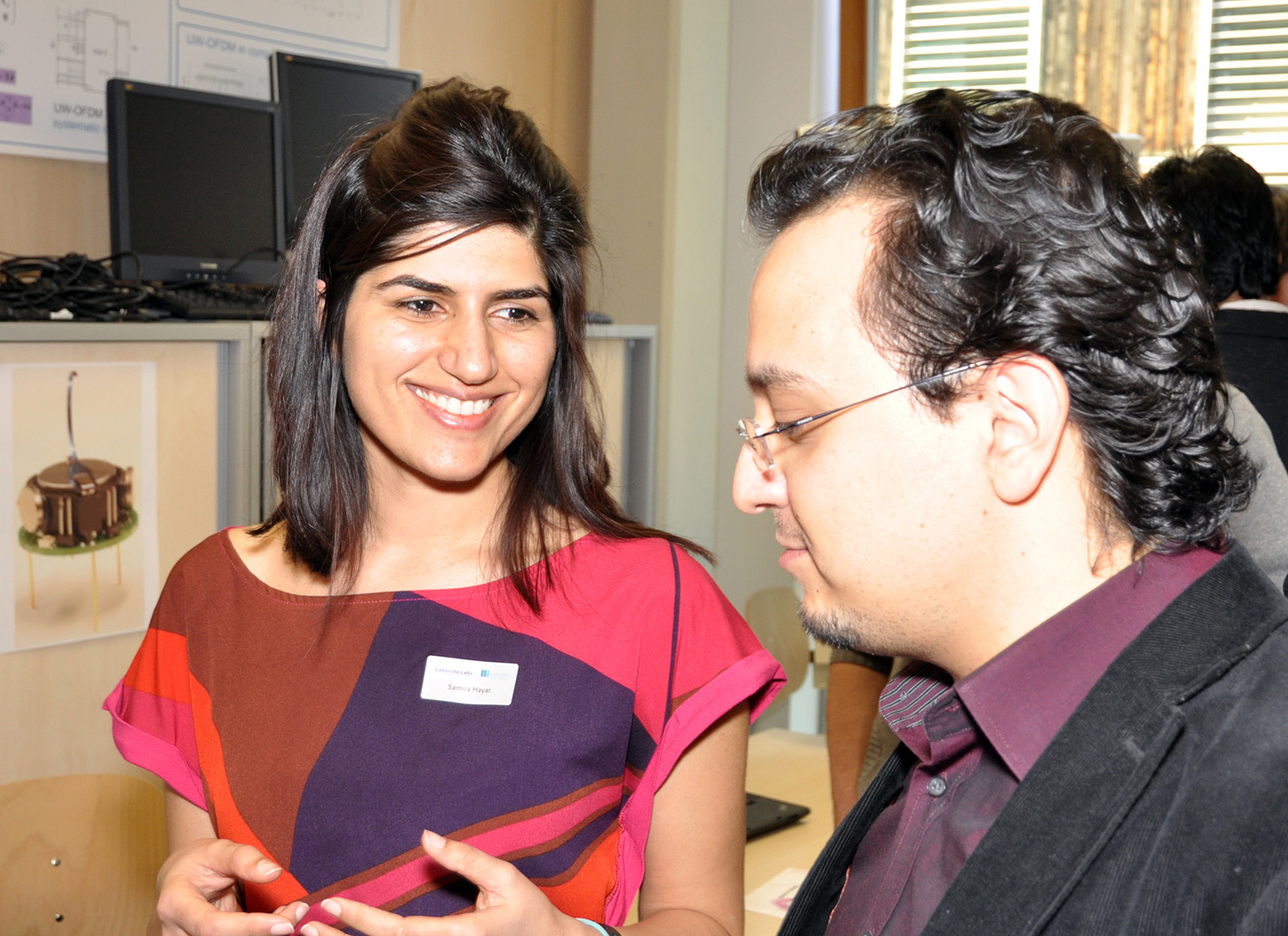
The autonomous drone system developed by Lakeside Labs and U Klagenfurt is one of «15 novel ideas for 2015» featured by the WIRED magazine. Max Biederbeck interviewed Samira Hayat, PhD student in the research team. Here are some extracts from this interview translated into English. Photos by Gene Glover.
I learned at the dentist what people think about my work. The scene took place during my last visit home to Pakistan. My father had accompanied me to the doctor’s office, and while I was treated, he began to tell. “My daughter does research in Europe,” he told the dentist. “At a university in Austria, and she works with drones.” When the dentist heard the last word, he played his surprise with a laugh and said, “I hope she does not work for the Bad.” Phrases like these accompany my work.
With my chosen profession, I’ve broken some taboos. My friends at home gave me the nickname of “rebel.” It really was a daily struggle: A Pakistani woman who is an engineer and researcher at drones; this is exceptional. Instead of getting married, I moved to Europe because of the profession. Maybe my friends are right with the name “rebel”; otherwise, I would not have come this far. I like the title anyway.
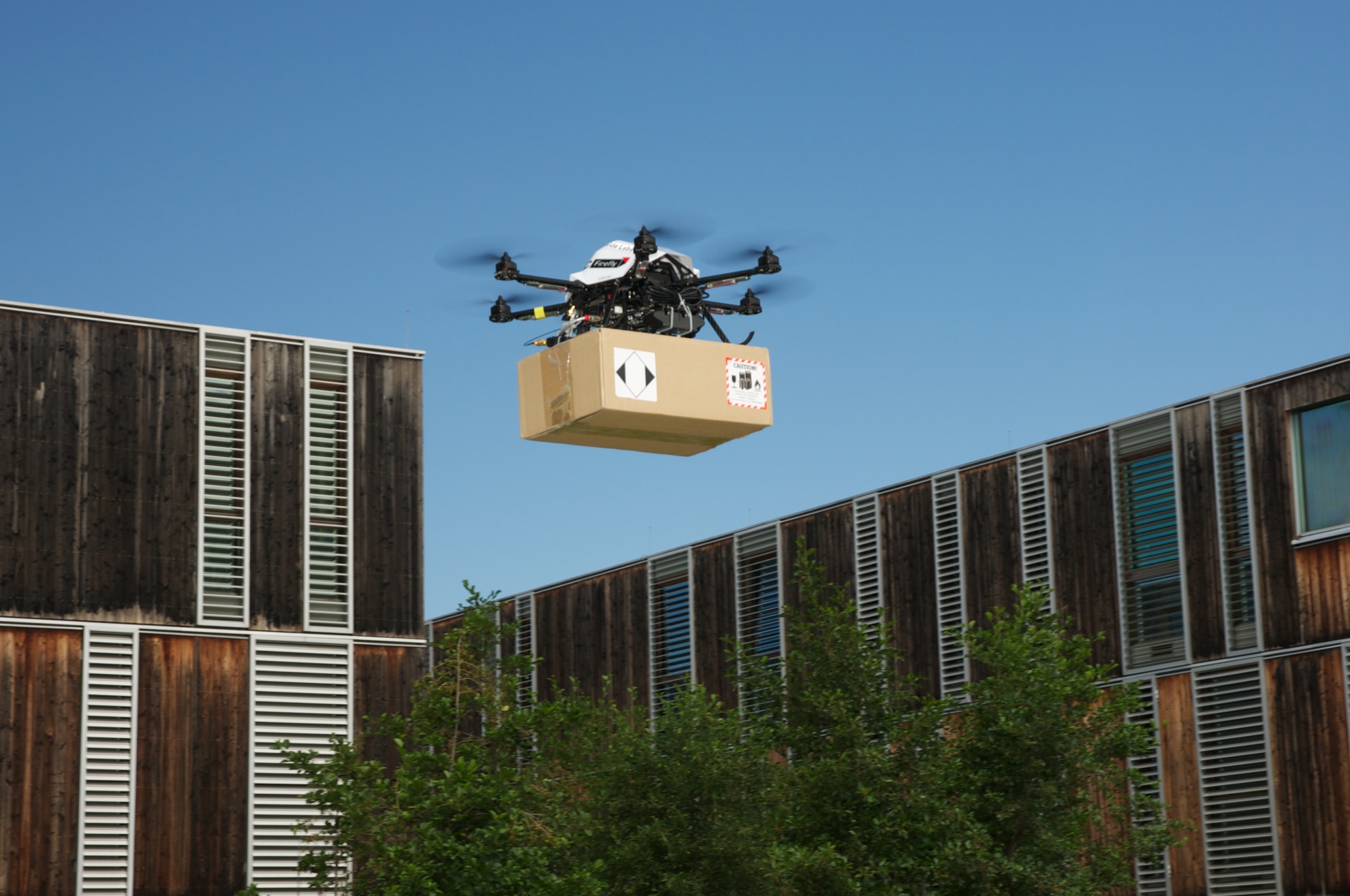
I have been a researcher at the University of Klagenfurt since 2012. At the Institute of Networked and Embedded Systems, we develop autonomous and self-organizing systems for civil purposes. On the one hand, we develop UAV systems to be used in emergency situations or accidents. A second application would be a commercial one, namely to use drones in automatic delivery services. We are still at the very beginning of the research in this service sector. It would be conceivable to bring drugs to patients in the shortest time. UAVs could deliver medicine around the clock in a completely autonomous manner.
What we develop in Klagenfurt is simply useful. I am aware that terrible things can be done with drones, and the word alone already connotes it negatively. But you can also use drones to help people in emergencies. Or for commercial purposes. We can transform something that makes us fear into something that serves our well-being.
The full article can be read in the January issue of WIRED as part of a feature on Innovators and Masterminds. WIRED+ members can read it online. © 2015 WIRED Germany.
Collaborative mapping with mobile robot teams
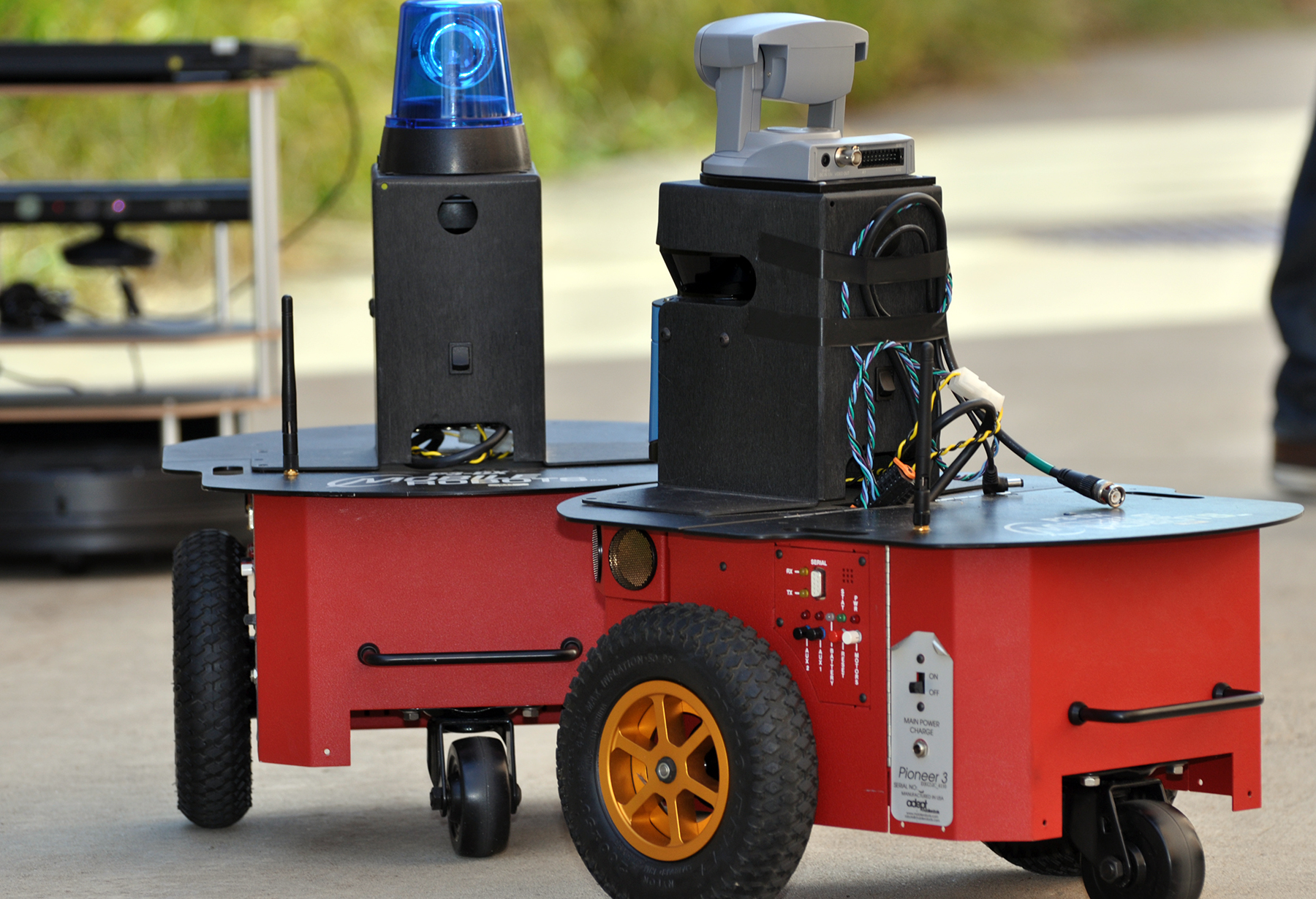
New packages for the Robot Operating System (ROS) are available for autonomous exploration of unknown environments using collaborating mobile robots equipped with cameras. The software offers wireless ad hoc communications between robots, merging of maps from different robots, and coordinated selection of exploration frontiers. A prototype with four robots was built that demonstrates its functionality in an indoor environment. Read More
Interference functionals in wireless networks
Wireless networks are often modeled using tools from stochastic geometry. A team of researchers from Klagenfurt, Athens, and Notre Dame now contributed to these tools by solving general sum-product functionals for Poisson point processes. Link outage probabilities are derived for networks with interference and Nakagami fading.
Job selection in UAV-based delivery services
Aerial delivery services using small unmanned aerial vehicles (UAVs) have been proposed by major online retailers, logistics companies, and startups. An interdisciplinary project team at the University of Klagenfurt aims at contributing to the architectural setup and decentralized control of such future systems.
“Should I pursue an academic career?”
Professors are often asked by master and PhD students whether an academic career can be recommended. Christian Bettstetter and Bernhard Rinner summarize their personal views on the characteristics and career paths of academic jobs and give advice to people who choose an academic career. Read More
Wireless technologies for small drone systems
A new article published in the IEEE Communications Magazine discusses some aspects of wireless communications for different applications involving small drones.
Open Lab 2014
Written by Christian Bettstetter. Photos by Christian Philipp for Lakeside Labs.
The Institute of Networked and Embedded Systems and Lakeside Labs opened their doors to the public. About 120 visitors informed themselves about research in mobile systems, pervasive computing, self-organizing systems, multimedia systems, and smart grids.