Information and communication technology is one of the most significant forces driving technical and economic progress throughout the world. ICT systems are part of our daily lives both at work and at home: We communicate via mobile phones, enjoy multimedia entertainment via the Internet, and share digital photos and videos with our families and friends. The world has become increasingly networked. A latest trend is that ICT systems are more and more hidden in objects in daily use — they are literally “embedded” and make these gadgets smart. Tiny sensors, for instance, are embedded into clothes to monitor vital signs. It takes highly trained and creative engineers to generate such innovations. They develop new ideas, products, and services to make life simpler and more comfortable.
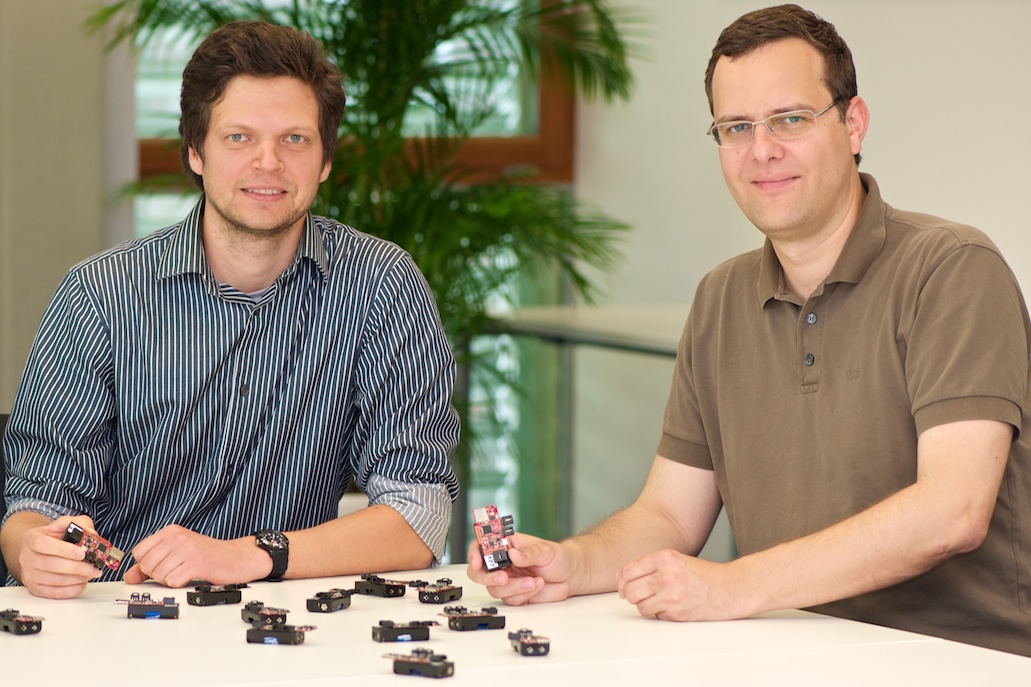
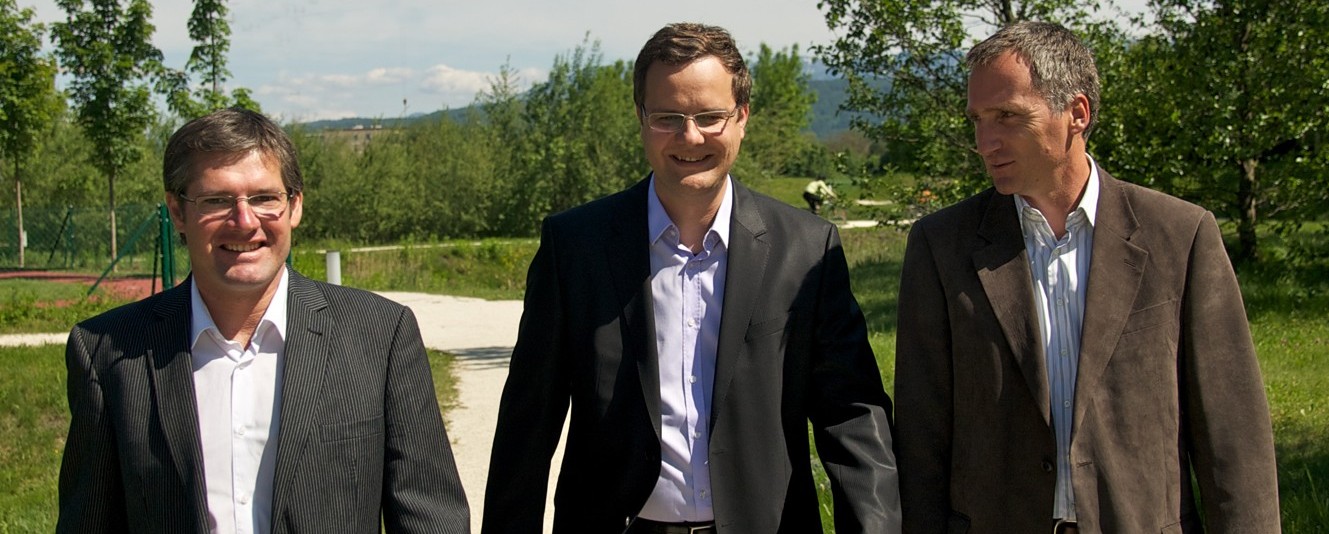
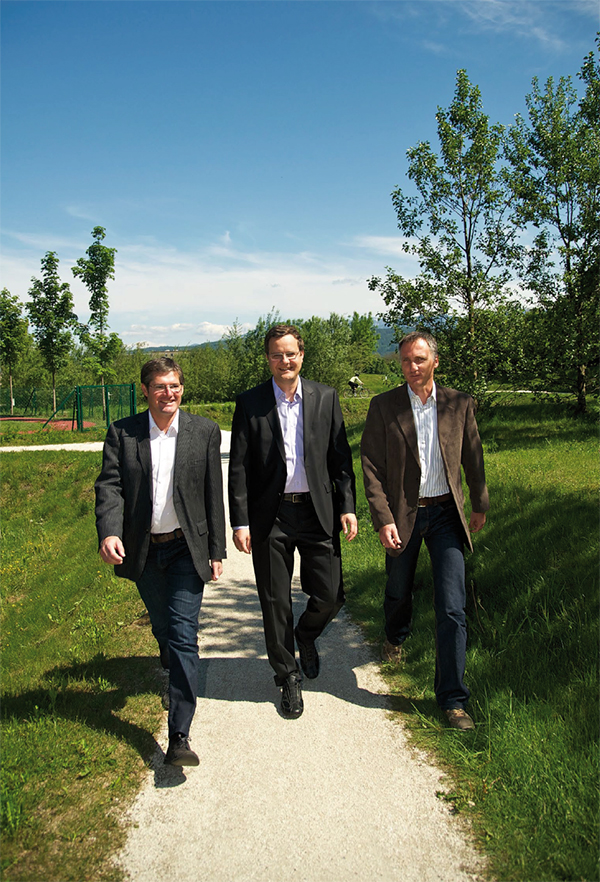
The NES professors Huemer, Bettstetter, Rinner
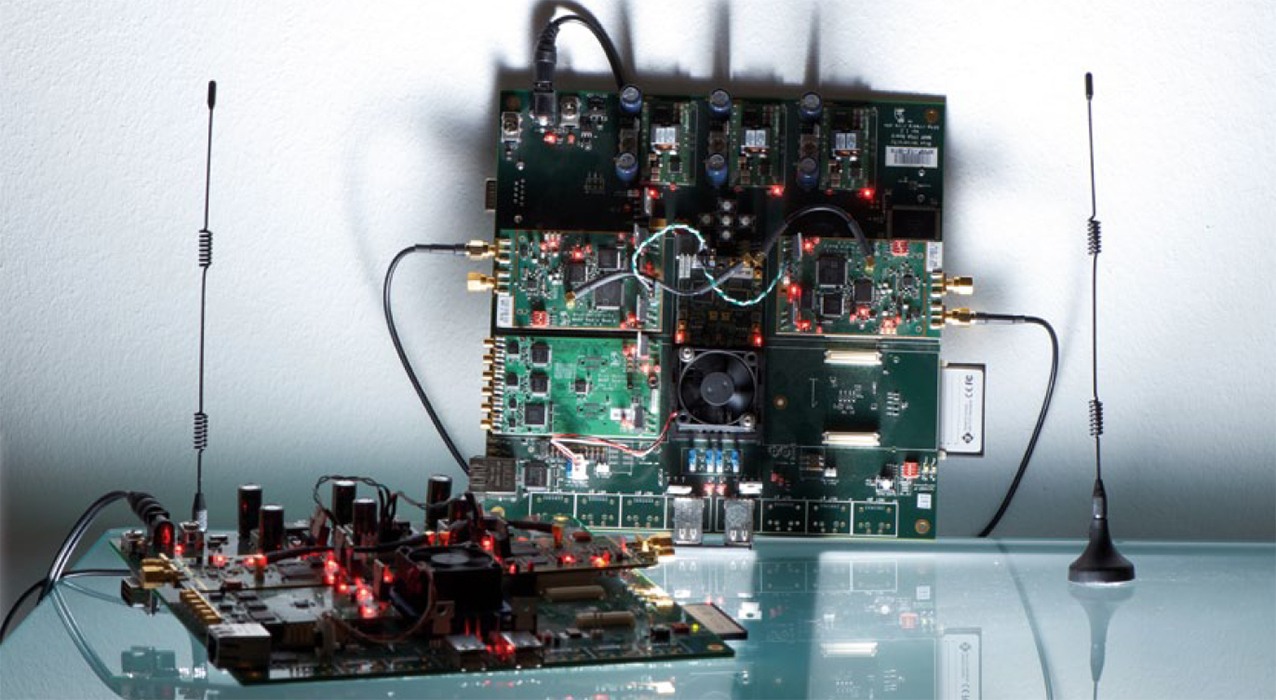
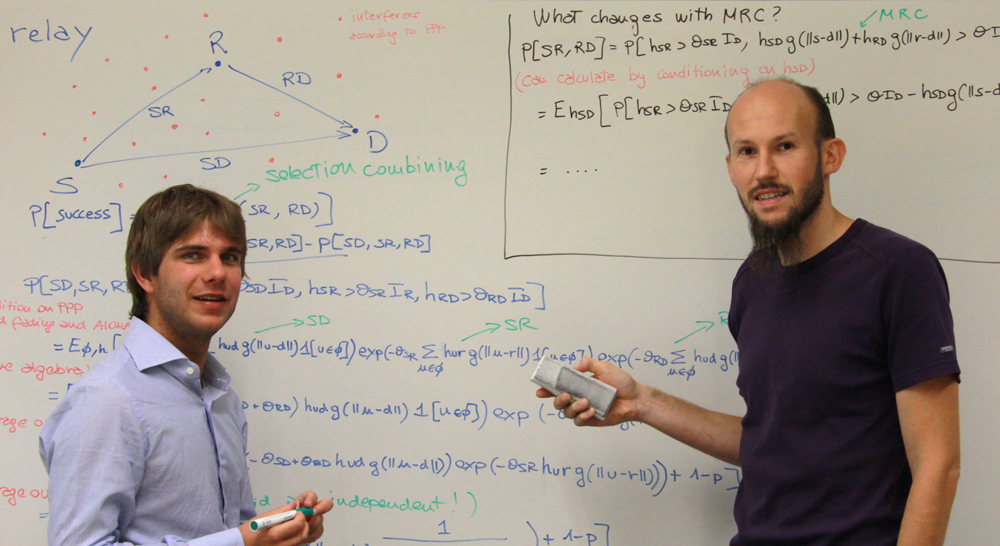
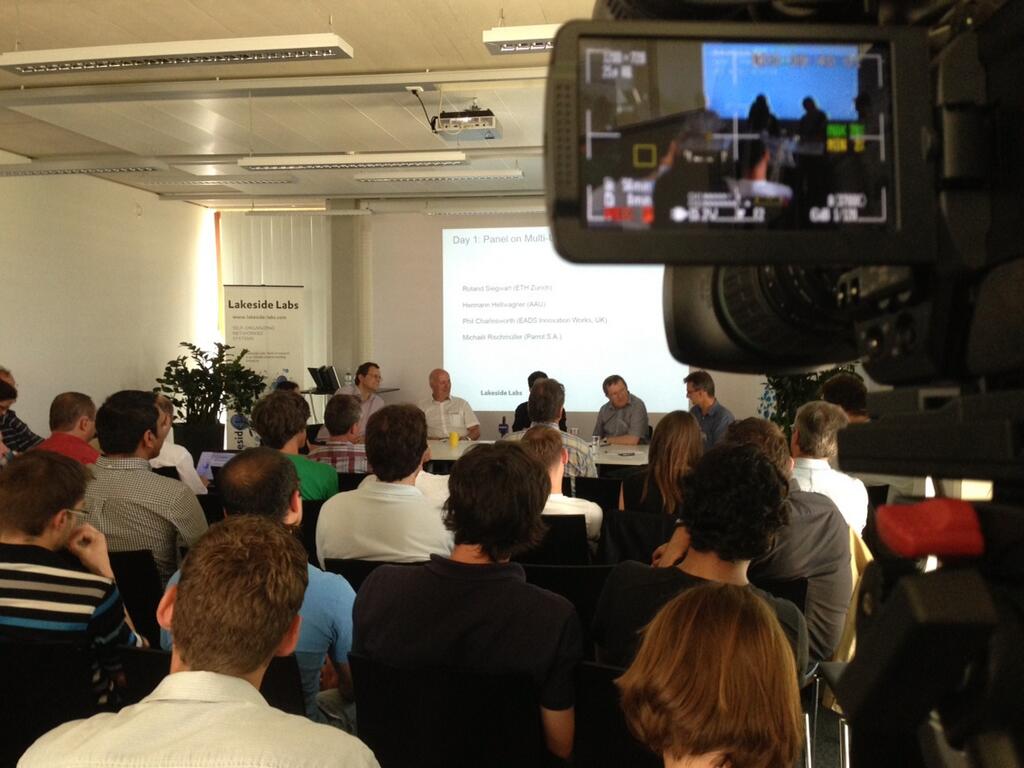
The Institute of Networked and Embedded Systems (NES) at the University of Klagenfurt contributes toward this trend by performing cutting-edge research and teaching in this domain. Research and teaching areas include wireless communications and networking, sensor and camera networks, signal processing, and autonomous aerial robot systems. A special focus is set to self-organizing systems, where Lakeside Labs clusters the expertise on this emerging topic in Klagenfurt.
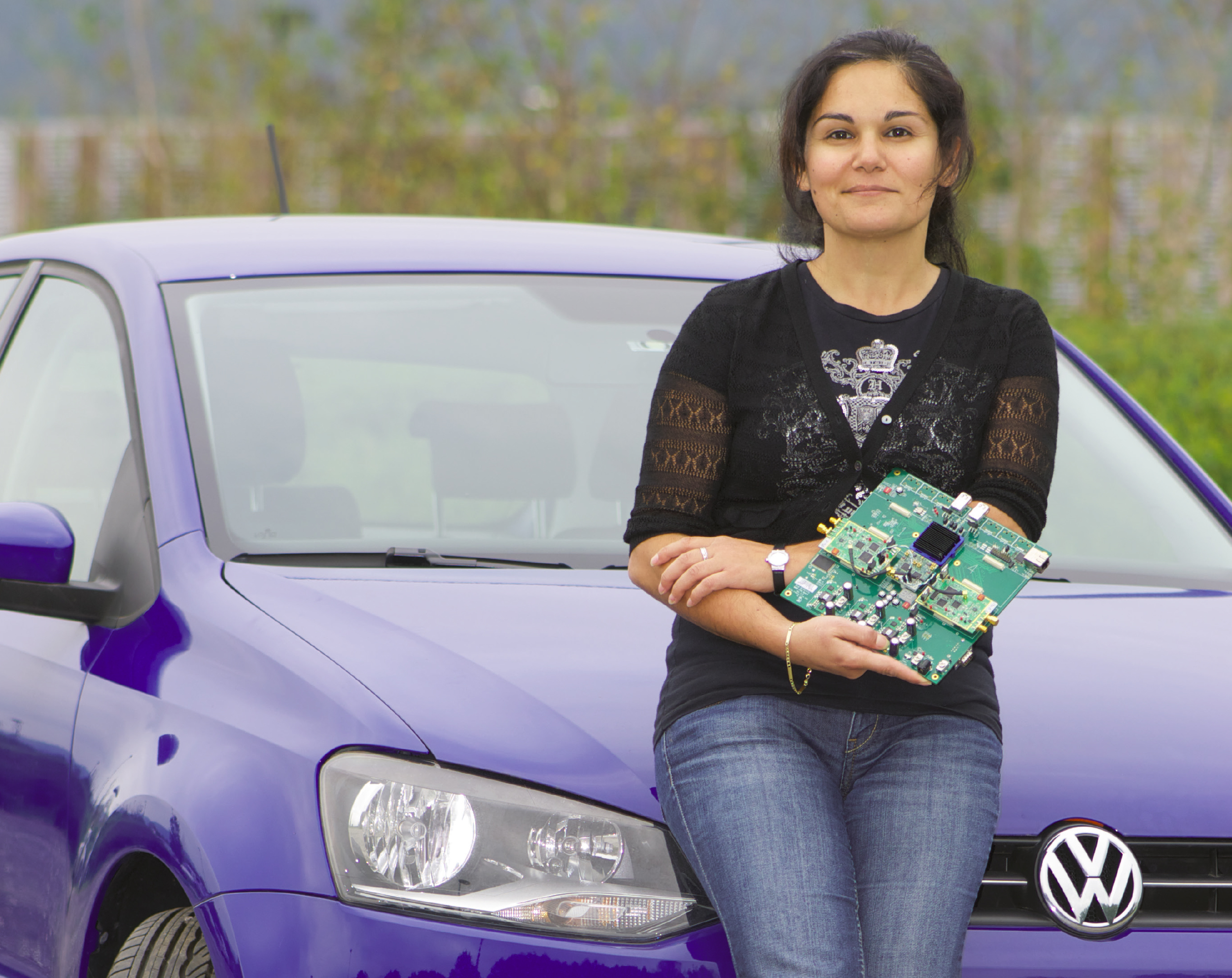
Since its foundation in 2007, the NES institute has grown to almost 50 staff members — now being the largest research and teaching unit in Klagenfurt. With more than 40 % of researchers from abroad, it offers a truly international and multicultural environment. The research portfolio includes both basic science and applied research, where the annual third-party volume reaches two million Euros, and the number of publications exceeds 40 journal and conference articles per year. Staff members received best paper awards and were short listed and offered positions by international top universities.
 Teaching takes into account the fast and continuous changes typical for the world of ICT, where knowledge is quickly outdated. Students enjoy wide and well founded education and are trained to think analytically and grasp complex interrelationships. NES offers core courses of the bachelor program Informationstechnik and the follow-up master and PhD programs in English. It also participates in the international program “Interactive and Cognitive Environments,” Austria’s first Erasmus Mundus doctorate program.
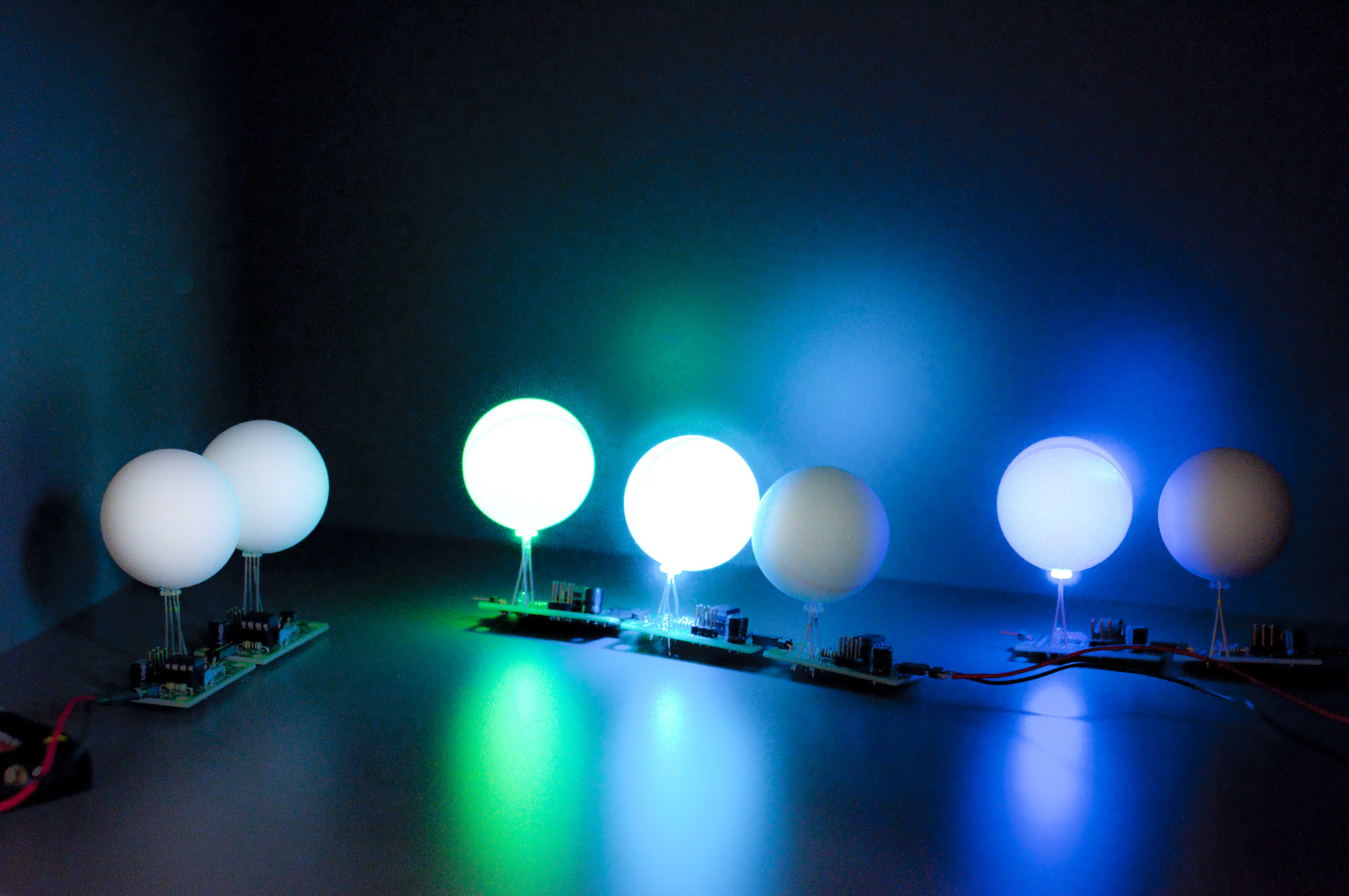
The new brochure (low res) gives an overview of the NES institute. It includes reports on a patented technique saving energy in high-rate communications, flying robots supporting disaster response forces, and nature-inspired algorithms solving self-organizing network synchronization, to name a few topics. It also highlights the teaching portfolio as well as technical infrastructure situated at the Lakeside Science and Technology Park.