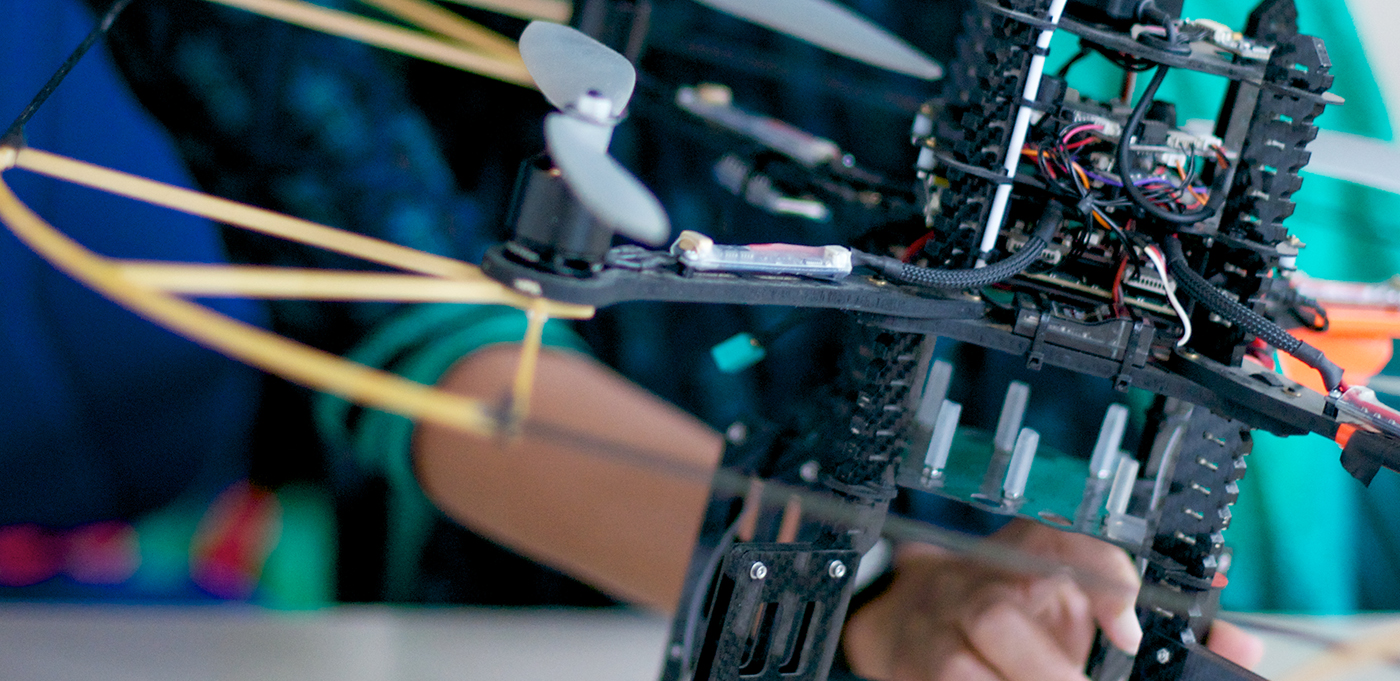
Wireless technologies for small drone systems
A new article published in the IEEE Communications Magazine discusses some aspects of wireless communications for different applications involving small drones.
A new article published in the IEEE Communications Magazine discusses some aspects of wireless communications for different applications involving small drones.
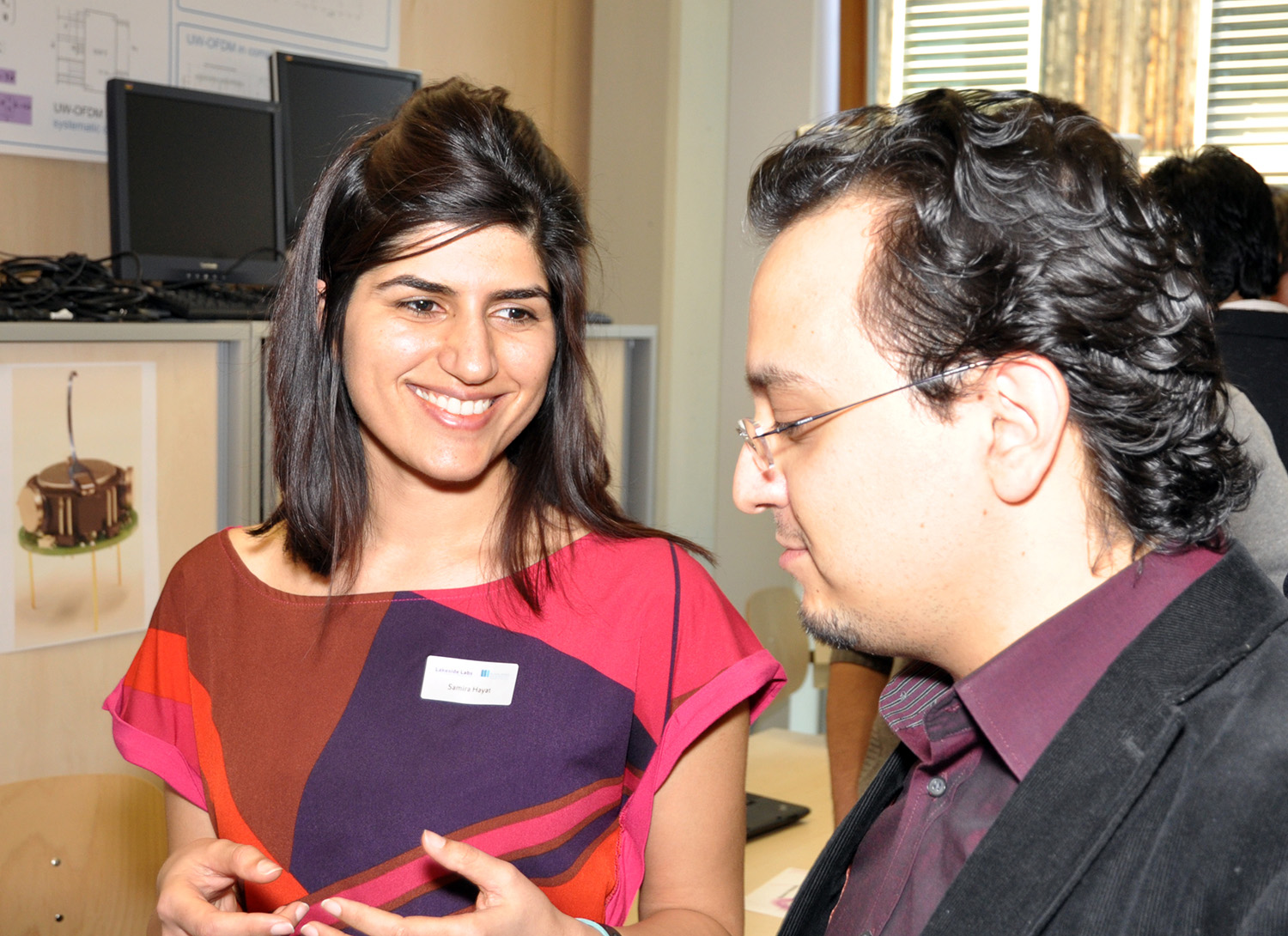
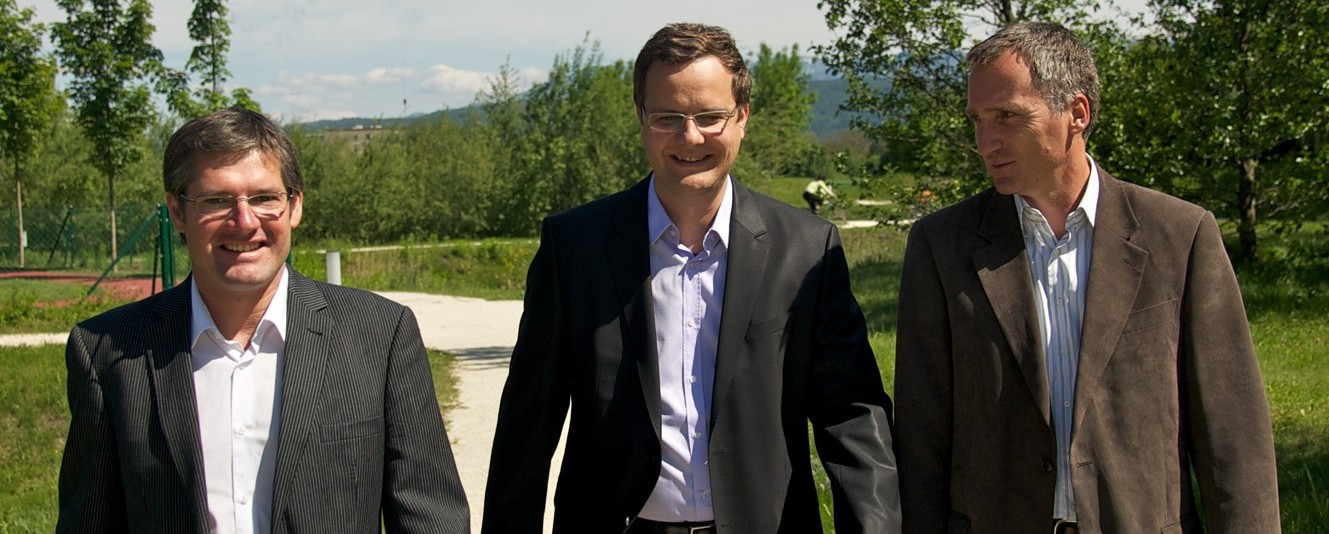
Written by Christian Bettstetter. Photos by Christian Philipp for Lakeside Labs. The Institute of Networked and Embedded Systems and Lakeside Labs opened their doors to the public. About 120 visitors informed themselves about research in mobile systems, pervasive computing, self-organizing systems, multimedia systems, and smart grids.
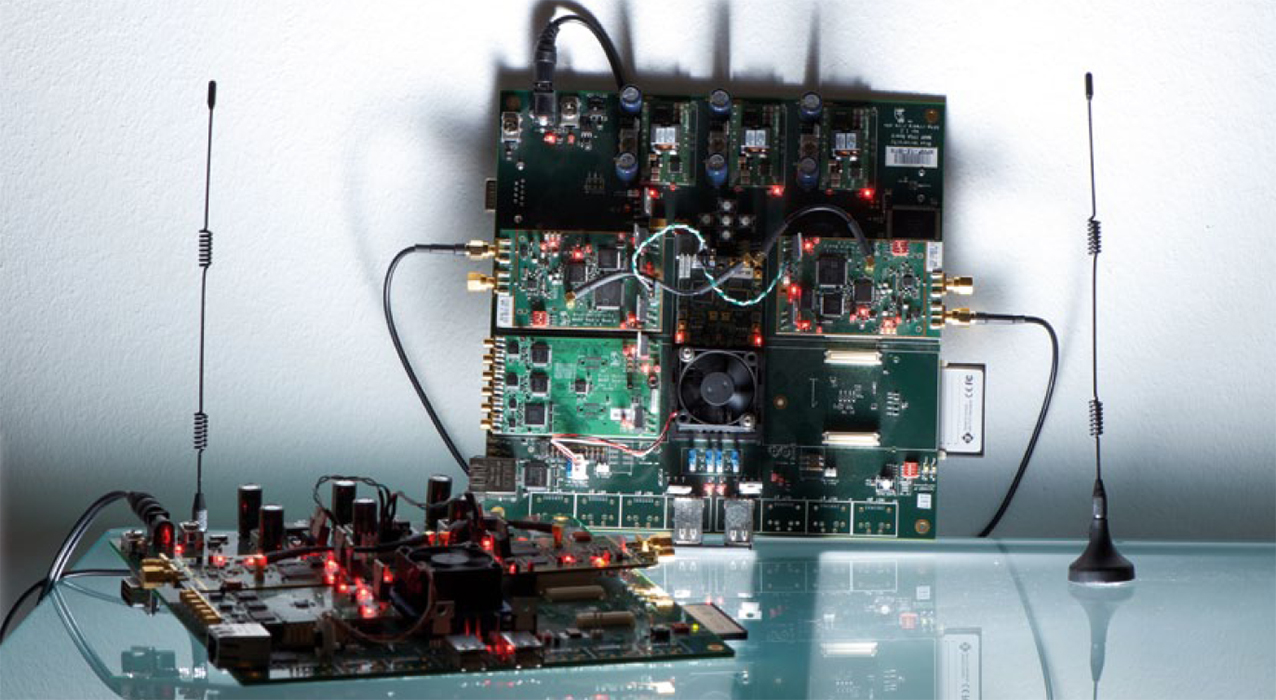
The precision of synchronization algorithms based on the theory of pulse-coupled oscillators is evaluated on FPGA-based radios for the first time. Measurements show that such algorithms can reach precision in the low microsecond range when being implemented in the physical layer.
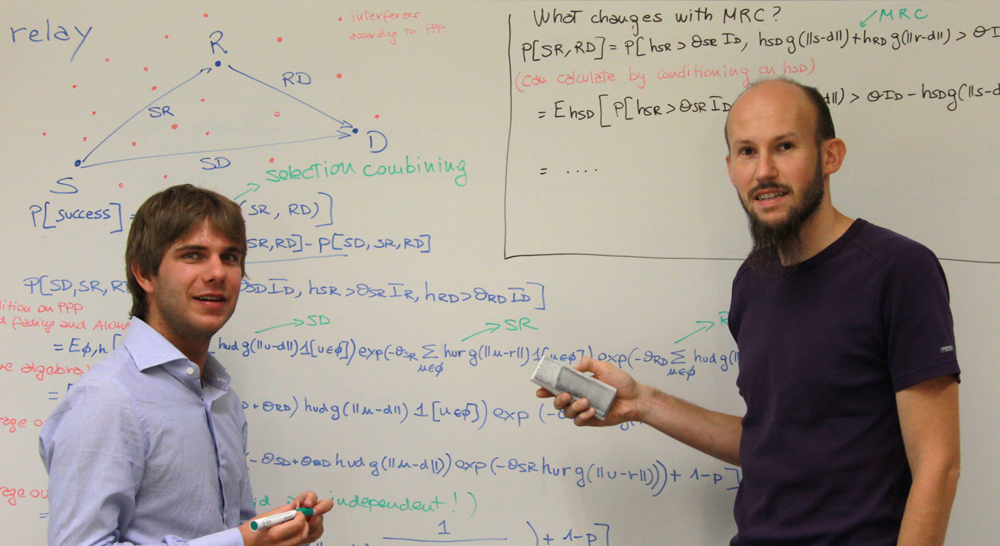
We analyze a wireless communication system with multiple relays operating in an interference-limited setting. Analytical results derived for different interferer placement show that the temporal and spatial characteristics of the interference have significant impact on the system performance.
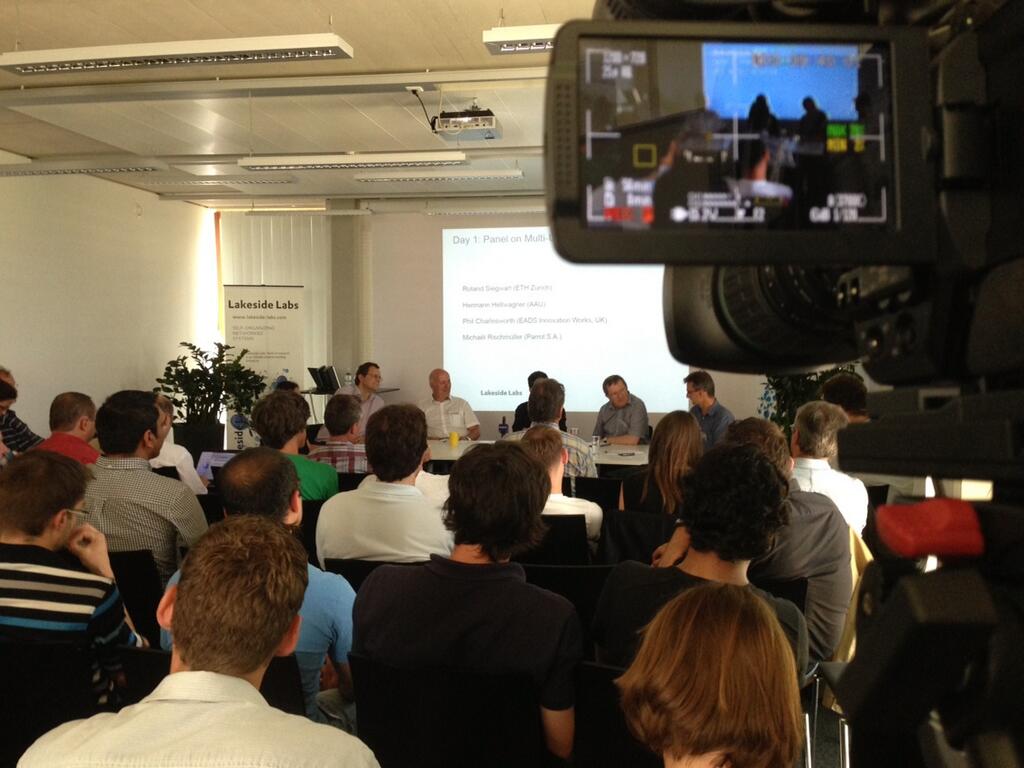
Scientists and engineers working on multi-UAV systems came together in Klagenfurt to discuss the trends and open issues in this emerging domain. Speakers included the robotics professors Siegwart, Lacroix, and Schöllig. An exciting panel with participation from industry debated about business opportunities.
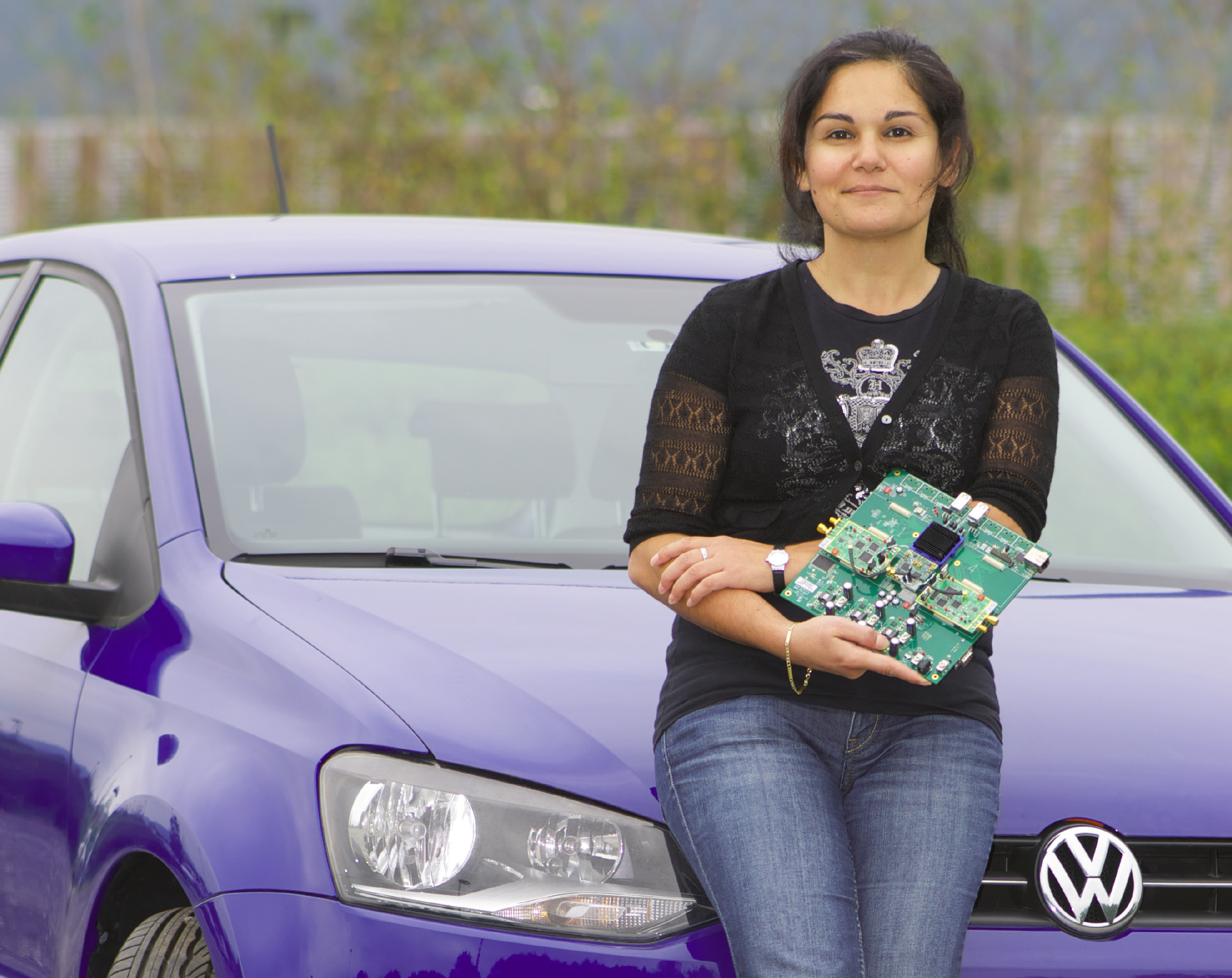
A protocol for the selection of relay devices operating in the data link layer of wireless networks was proposed, specified, and evaluated. It is now being tested in a vehicular environment.
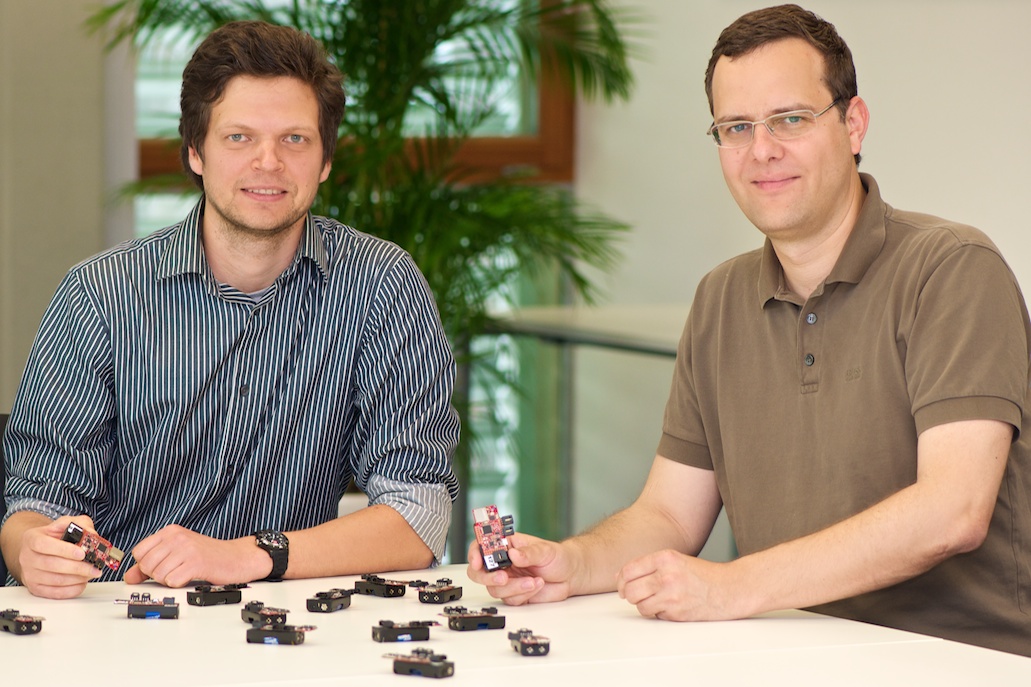
Different communication protocols for relay selection in wireless networks have been modeled using Markov chains in order to analyze and compare their performance.
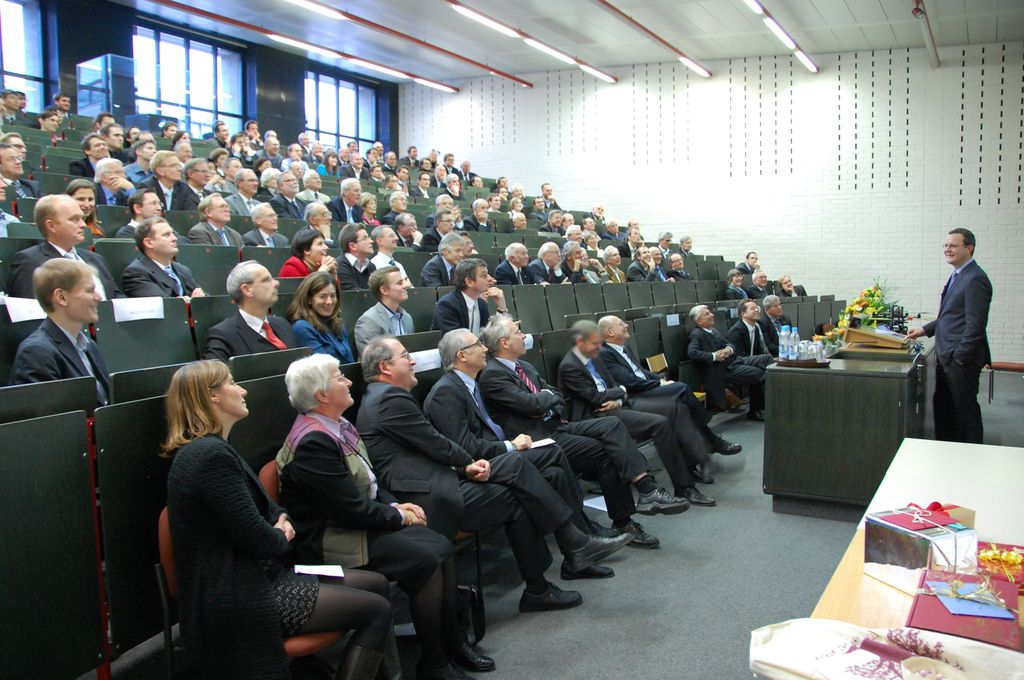
My doctoral supervisor and mentor, Jörg Eberspächer, retired. I had the honor to give a talk on my research in the field of multi-drone systems at his farewell event.

We mathematically analyze how time synchronization can be guaranteed in arbitrary network topologies and show that the stochastic nature of interactions between network entities can lead to advantageous properties.
Information and communication technology is one of the most significant forces driving technical and economic progress throughout the world. ICT systems are part of our daily lives both at work and at home: We communicate via mobile phones, enjoy multimedia entertainment via the Internet, and share digital photos and videos with our families and friends. The world has become increasingly networked. A latest trend is that ICT systems are more and more hidden in objects in daily use — they are literally “embedded” and make these gadgets smart. Tiny sensors, for instance, are embedded into clothes to monitor vital signs. It takes highly trained and creative engineers to generate such innovations. They develop new ideas, products, and services to make life simpler and more comfortable. The Institute of Networked and Embedded Systems (NES) at the University of Klagenfurt contributes toward this trend by performing cutting-edge research and teaching in this domain. Research and teaching areas include wireless communications and networking, sensor and camera networks, signal processing, and autonomous aerial robot systems. A special focus is …